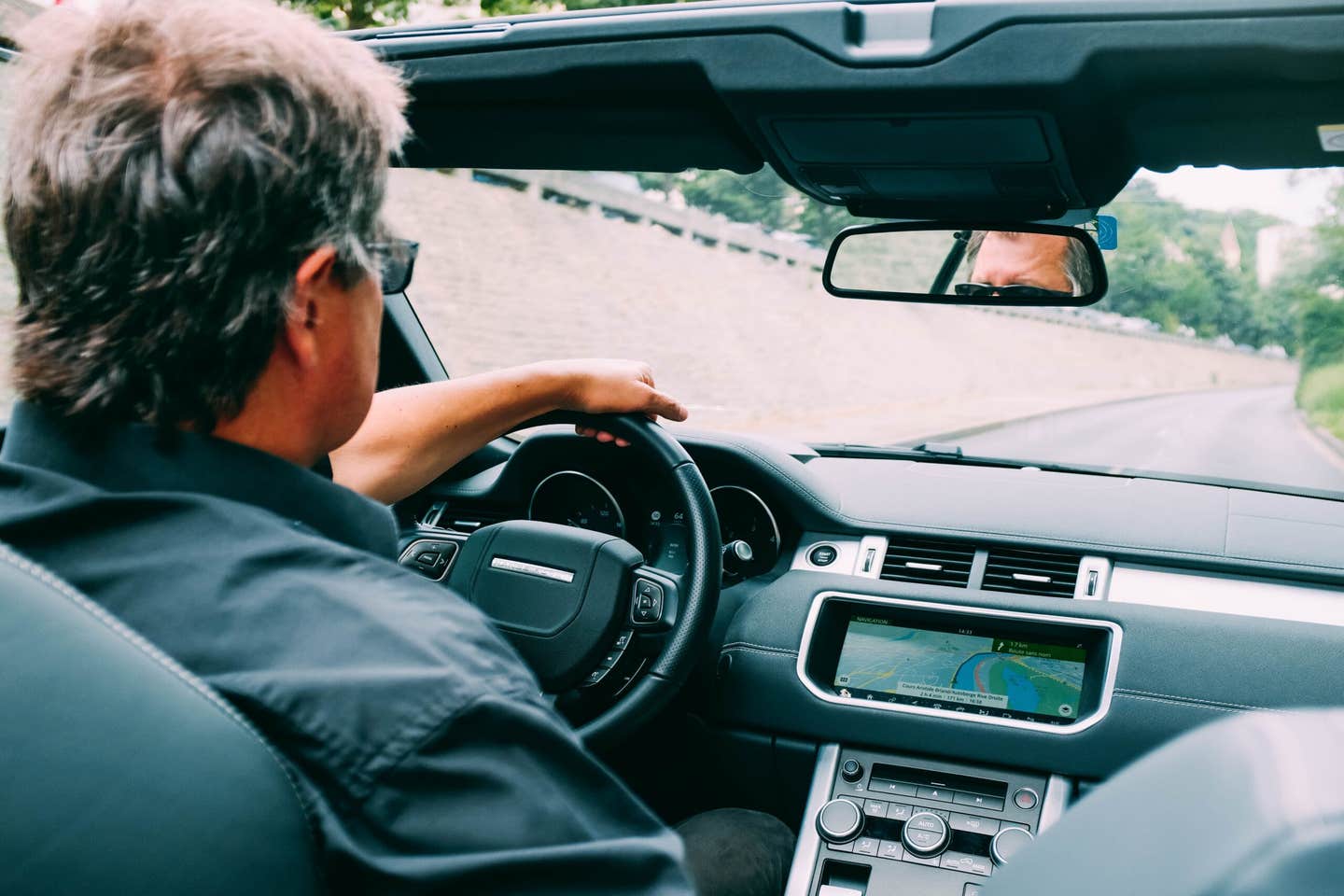
People who move to Los Angeles for the food tend to learn the same lesson within a month. The meal you came for is rarely near the apartment you rented. The hand-pulled noodles are in the San Gabriel Valley, the Oaxacan moles are in Koreatown, the best tomatoes of the summer are at a Wednesday market by the beach, and the bus will get you to maybe one of those before lunch is over. In this city, the car is part of the kitchen.
So before the fun part, there is a practical part: getting your car here, getting it legal, and getting it ready for a place where a forty-minute drive for tacos counts as reasonable. None of it is hard. Most of it just rewards doing things in the right order.
First decision: drive it or send it
If you are coming from Arizona or Nevada, driving is usually the obvious answer. A long day on the road, a stop for dinner, and you are unpacking by nightfall.
From the Midwest or the East Coast, the math changes. A cross-country drive means four or five days behind the wheel, a string of motel nights, meals at whatever is open off the interstate, and a few thousand miles of wear on a car you are about to depend on daily. For a lot of people, that is a week of their move they would rather spend finding an apartment.
Shipping is the alternative, and the price surprises plenty of newcomers in a good way. A typical sedan riding an open truck into California has recently run about $975 to $1,275, based on completed-shipment figures that SAKAEM Logistics, a car shipping broker, posts online. Its page listing recent prices for bringing a car into California also shows which routes are busiest in and out of the state: Texas, Florida and New York lead. Enclosed trucks cost noticeably more and are mainly worth it for a vintage car or something rare.
Price alone is a poor way to compare the two. Set the shipping quote beside the full bill for a road trip: fuel, lodging, food, and the days lost to the highway instead of to your new neighborhood.
Timing it around the LA calendar
Transport companies fill their trucks in waves, and California has a few predictable rushes. Late summer brings students heading to campuses across the state. The weeks around Thanksgiving and the end-of-year holidays get crowded with everyone trying to be somewhere by a date. Inland summer heat also shapes schedules, with drivers working around the hottest stretches of the day.
Two weeks of notice is a workable minimum. Three weeks gives you more trucks to choose from and usually a better price, especially in those busy windows. If your start date at a new job is fixed, book the car before you book the movers, because the car is the piece with the least flexibility once a truck is full.
Getting the car ready to leave
A few small steps save real headaches later.
Take your home state's toll tag off the windshield. A transponder left in the car can keep reading at toll points on the way west. Southern California has its own toll lanes and its own FasTrak system, so you will want a local account anyway.
Empty the car of anything you would miss. Chargers, sunglasses, the emergency cash in the glovebox. Transport is not a moving van, and loose items can shift.
Photograph every side, plus the dashboard. Do it in daylight, the morning of pickup, so the timestamps are clear. If anything looks different at delivery, those photos settle the question in minutes.
Plan where the car will land. Plenty of LA streets are narrow, steep or lined with permit parking, and a long transport rig has no chance on a hillside lane in Silver Lake or Echo Park. Offer the driver an easier meeting point, such as a big supermarket parking area or a broad boulevard nearby, and the handoff goes faster. Local details for getting a car delivered in Los Angeles are worth a look before you pick the spot.
The 20-day window
Once you become a California resident, the clock starts. The state expects you to register an out-of-state car within 20 days, and the California DMV publishes a checklist of what to bring. Plan for three things.
A smog certificate. California holds cars to its own emissions rules, and a vehicle coming in from another state generally has to pass a smog inspection before the DMV will register it. Some cars built only for sale outside California can run into trouble here, which is worth checking before you ship a car rather than after.
California insurance. Your policy needs to meet the state minimums, which rose on January 1, 2025, to $30,000 per person and $60,000 per accident for injuries, plus $15,000 for property damage. Many drivers carry more. Call your insurer ahead of time and have the California policy begin on the day the car arrives.
An appointment, if you can get one. Popular DMV offices book up. Some steps can be started online, and an early appointment keeps you comfortably inside the 20 days.
Three first drives that make it worth it
With plates on and a full tank, here is how to spend your first weeks behind the wheel.
A Wednesday morning in Santa Monica. The Downtown Farmers Market on Arizona Avenue is where many of the city's chefs shop, and on a weekday you will see why: the stone fruit, citrus and heirloom produce tend to sell out before the lunch crowd arrives. Go early, park in one of the city structures nearby, and bring a cooler for the drive home.
A Sunday in Hollywood. The Hollywood Farmers' Market fills Ivar and Selma Avenues every Sunday morning with farms, bakers and prepared-food stalls. Pair it with a late lunch in Thai Town, a short drive east, and you have the kind of day that only works with a car.
An afternoon in the San Gabriel Valley. East of downtown, Alhambra, San Gabriel and Rowland Heights hold one of the deepest concentrations of regional Chinese cooking in the country, spread across strip malls that are miles apart. This is the drive that convinces most newcomers they made the right call bringing the car.
The order that works
Book transport two to three weeks out. Line up California insurance before the car arrives. Get the smog check and DMV visit done inside the 20 days. Then point the car east on a Sunday and start eating.
Los Angeles rewards people who show up ready to go looking for things. Having your own car here on day one, legal and ready, makes that a lot easier from the start.