Los Angeles tells its history through food as much as it does through architecture, museums, or old photographs. A Korean barbecue table, a Persian bakery, a Japanese market, or a family-run pupusería can reveal stories of migration, work, neighborhood change, agriculture, entrepreneurship, and cultural memory. For families, that makes LA’s food scene more than a place to eat. It can become a living classroom.
When children learn the stories behind the foods they love, history becomes easier to understand. It feels local, personal, and connected to everyday life.
Food Makes History Feel Real
Children often encounter history through textbooks, timelines, and names they are expected to remember. Food offers a different path.
A family recipe can open a conversation about where relatives came from. A neighborhood restaurant can lead to a discussion about immigration. A farmers market visit can introduce California’s agricultural past.
Los Angeles is especially rich ground for this kind of learning. USC notes that LA cuisine is deeply shaped by Mexican traditions, geography, and generations of migration.
Parents who want to build on these conversations at home may choose books and learning resources that make history approachable. For example, families can shop The Tuttle Twins for story-based resources that help children connect historical ideas with real-world questions.
The goal isn’t to turn every meal into a formal lesson. It’s to help children notice that food carries stories.
LA’s Mexican Food Traditions Tell a Larger Story
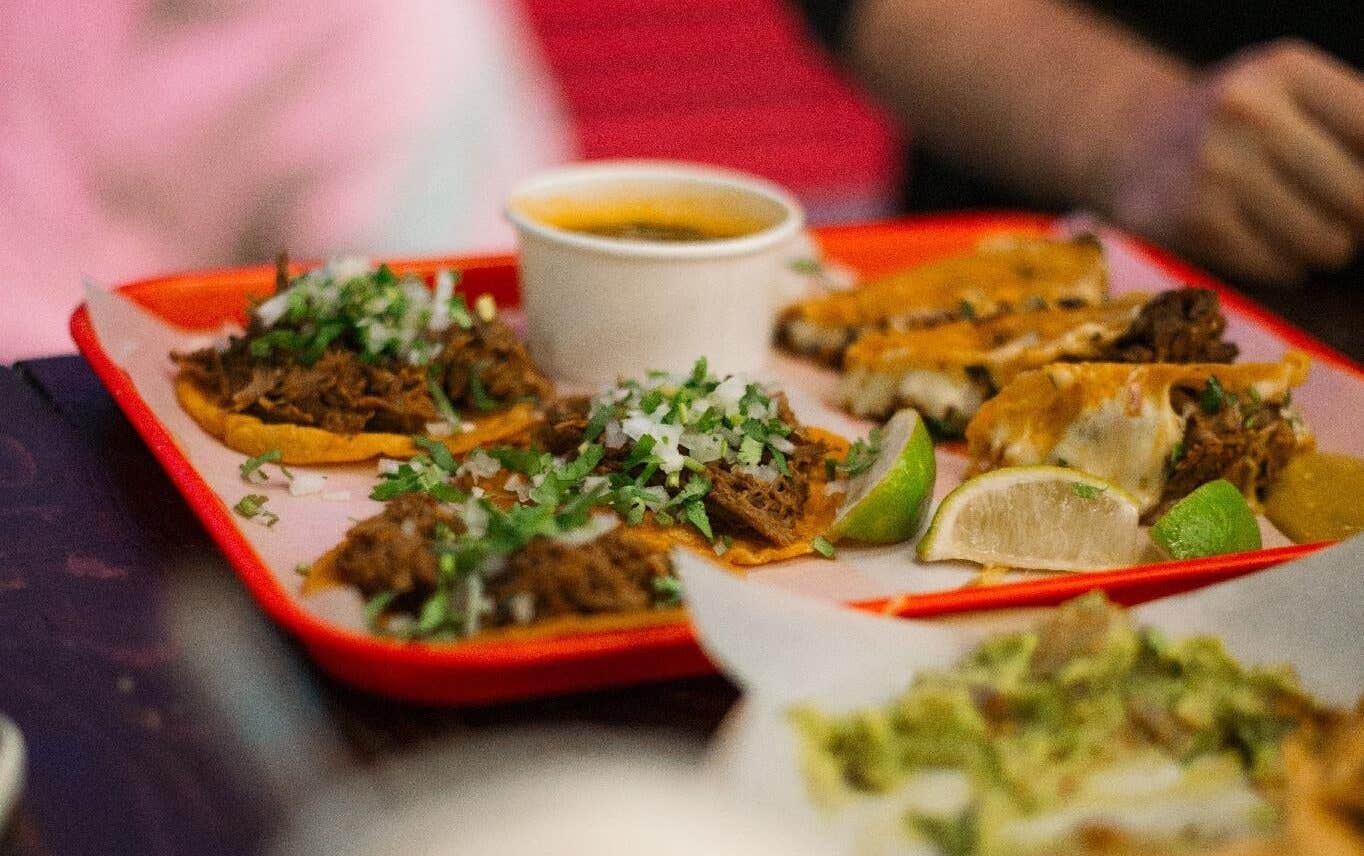
No conversation about Los Angeles food history can ignore Mexican cuisine. From street tacos and tamales to pan dulce and regional Oaxacan dishes, Mexican food is woven into the city’s identity. These traditions reflect geography, migration, family businesses, and long-standing cultural ties between Southern California and Mexico.
For children, this creates a chance to ask more important questions. Why are certain foods so common in LA? How did families bring recipes with them? How do restaurants preserve tradition while adapting to new neighborhoods?
These questions help children see history as something alive rather than something fixed in the past.
Immigrant Foodways Shape the City
LA’s food culture has also been shaped by Armenian bakeries, Korean barbecue restaurants, Thai markets, Filipino cafés, Salvadoran pupuserías, Japanese grocers, Persian restaurants, and countless other communities.
PBS SoCal has described immigrant culinary traditions as central to the way Los Angeles became a major food city, with children of immigrants drawing on family foodways to build new restaurants and food businesses.
This matters because food helps children understand how culture travels. A dish may begin in one country, change in another, and take on new meaning in a neighborhood far from its origin. That process teaches children about adaptation, resilience, and belonging.
Farmers Markets Connect Kids to California’s Past
LA’s food history is not only urban. It is agricultural, too. Before Los Angeles became known for freeways, studios, and dense neighborhoods, agriculture played a major role in the region’s development.
A farmers market makes that history visible. Children can meet growers, ask where produce came from, and learn why some foods appear only in certain seasons. They can begin to understand how climate, land, labor, transportation, and markets all affect what ends up on the table.
That’s history, economics, and geography covered in one Saturday morning outing.
Food Traditions Help Children Understand Neighborhoods
Food is also tied to place. In Los Angeles, neighborhoods are often identified partly through their food cultures. Little Tokyo, Koreatown, Boyle Heights, Historic Filipinotown, Thai Town, and the San Gabriel Valley all tell stories through restaurants, markets, bakeries, and community spaces.
These food traditions also connect to real estate and neighborhood development. Restaurants and markets can make streets more walkable, attract visitors, support small businesses, and strengthen a neighborhood’s identity. Public markets and local food businesses often contribute to a sense of place, which can influence how people experience and value a community.
For children, this is a useful way to understand that cities are not just buildings. They are shaped by people, businesses, culture, and everyday choices.
Family Recipes Preserve Personal History
Not every food history lesson needs to happen outside the home. A handwritten recipe card, a holiday dish, or a weekly family meal can teach children about grandparents, migration, faith, hardship, celebration, and memory.
These stories are powerful because they are personal. A child may not remember every date from a history lesson. But they may remember that a certain soup was made when someone was sick, or that a dessert was prepared every year for a special holiday. The memories help children understand identity and continuity.
Entrepreneurship Is Part of Food History
Many of LA’s most beloved food traditions survive because families and entrepreneurs build businesses around them. A restaurant is rarely just a restaurant. It can be a family investment, a cultural gathering place, and a bridge between generations.
Children can learn a great deal by noticing how small food businesses work. They see risk, creativity, service, pricing, branding, and persistence. They also learn that history is not only preserved in museums. Sometimes it is preserved in kitchens, storefronts, and recipes passed from parent to child.
Conclusion
Los Angeles offers families countless ways to explore history through food. Every neighborhood market, family recipe, street vendor, bakery, and restaurant carries a story. Some stories are about migration. Others are about agriculture, entrepreneurship, community, or cultural memory.
For children, these stories make history easier to grasp. They show that the past is not distant. It lives in the foods people cook, sell, share, and protect.
In a city as diverse as LA, learning history can start with a simple question at the table: where did this food come from?