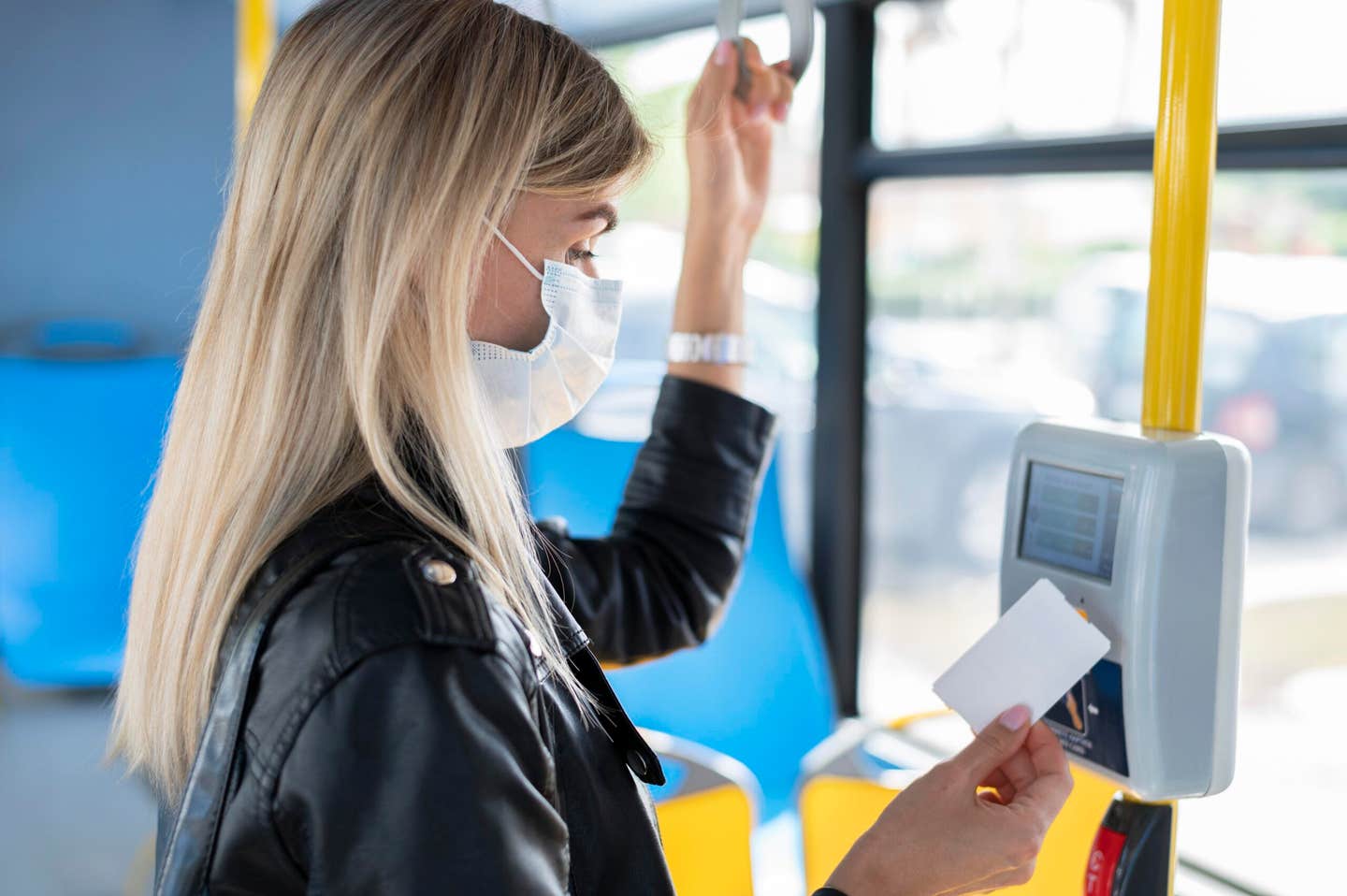
With time studied in Los Angeles means, to be a student you have to take care of more than just lectures, assignments and examinations. Others have shifts in hotels, restaurants, retail stores, warehouses, offices and hospitals; some deliver takeout food. Many people need to work because of the high cost of living in the city just to make ends meet, not as a luxury extra. That gives a hectic schedule to follow: going to class, taking the transportation across town, working a shift, doing homework and sleeping enough hours to do it again.
There is no secret behind the success of students who juggle school and work full time; they do not depend on achieving a perfect schedule or feeling constantly motivated. They establish systems, negotiate compromises and live in the small increments of time.
They Plan Around Commutes, Not Just Class Times
Many students would only think about what time class starts and when I can leave. Nowhere is that quite so true as Los Angeles, where the commute time can define your entire day's experience. The three-hour wait between classes sounds great, but in practice it evaporates if a student has to travel across town for work.
Students frequently categorize activities by location. They might pick up a job close to their home, remain in the library until an evening shift, or even take classes on fewer days. Others do not go home between school and work because to do so would be a waste of the money they earn on top of wasted time.
This is an initiative that requires planning beyond a simple calendar. Transit routes, traffic and a buffer needed for delays or cancellations. A day that has been well thought out is a day spent eliminating unnecessary trips.
They Use Small Pockets of Time
Many college students are working students, and they do not have long afternoons to study (if any at all!), so they have learned to use smaller pockets of time throughout the day. That could mean checking your class notes 20 minutes before a shift or reading a few pages during lunch. Bus or train rides could also be used to listen to a pre-recorded lecture, tidy up an assignment or dig into writing services for some assistance.
These short study sessions are not right for every lesson, because a large paper would likely require more time and focus. Yet they can prevent smaller jobs piling up. Students typically tackle minor assignments during any available time while reserving larger tasks for extended study periods.
Similar to your students breaking into steps for bigger projects (you did train them in this!), so they break it into smaller tasks – rather than just adding “finish essay” to their to-do list. Research, outline, draft, then revise! Early on in their studies, this method allows them to constantly keep pushing forward even when they have far less time than they would like.
They Communicate Before Problems Get Worse
After all, shift schedules change, classes go over, and something unexpected comes up. Those who do speak out early usually have broader options than those that leave it till the final moment.
That might include requesting a more regular schedule at work, reducing closing shifts during exam week, or swapping shifts with a colleague. At school, maybe it means going to office hours (even though you hate doing that), explaining a scheduling conflict, asking questions before the assignment is overdue.
Not every employer or instructor will show deep down flexibility. Either way, being clear in communication shows responsibility and likewise leads students to see where flexibility can be exercised.
They Protect a Few Nonnegotiable Habits
Shift work + school = exhausted. Students will skip meals, sleep less than they should, or rely on caffeine. And that can work for a while but soon enough, it's more difficult to concentrate, recall information and heed patience.
Students who stick with the regime tend to defend certain minestrone habits. They might batch cook twice a week, carry snacks in their backpack, establish a minimum number of hours for sleep or dedicate one evening each week to recovery. The only requirement is that those habits should be realistic enough to repeat.
Some students also learn to say no. Overcomplete students might skip social events, scale back extracurriculars, or take fewer classes during a tough semester. Such choices may sound disappointing, but they often help avoid burnout.
They Accept That Balance Changes Each Week
There is no single formula for balancing work and school. During midterms or finals, classes may need more attention, while a lighter academic week can give students room to take on extra shifts. When rent or other expenses are due, earning enough money may temporarily become the main priority.
Students who manage these responsibilities successfully understand that every week will look different. They regularly review assignment deadlines, shift schedules, commuting time, and personal obligations before deciding what needs their attention first. Those preparing college applications or transfer materials may also set aside time to research an admission essay writing service or other academic support resources.
Rigid schedules can fall apart after a delayed bus, a coworker calling in sick, or an unexpected group project. Students who build some flexibility into their plans can respond to these changes without losing control of the entire week.
Conclusion
With planning, communication and constant adjustment, L.A. students juggle classes and shift work. They structure their days around commuting, use fragments of time on little pieces of work, break projects into small steps, and preserve the essential structures that help them keep going.
It is not a tidy process, and it is very rare that it comes easily. Students are exhausted and financially strapped, left to make choices that their job-less classmates might not have to make. Still they are finding ways to move on. Usually success does not come from better time management. It starts with knowing what's important, being ready for common challenges and making the next good decision.