Food as a Family Language in Los Angeles
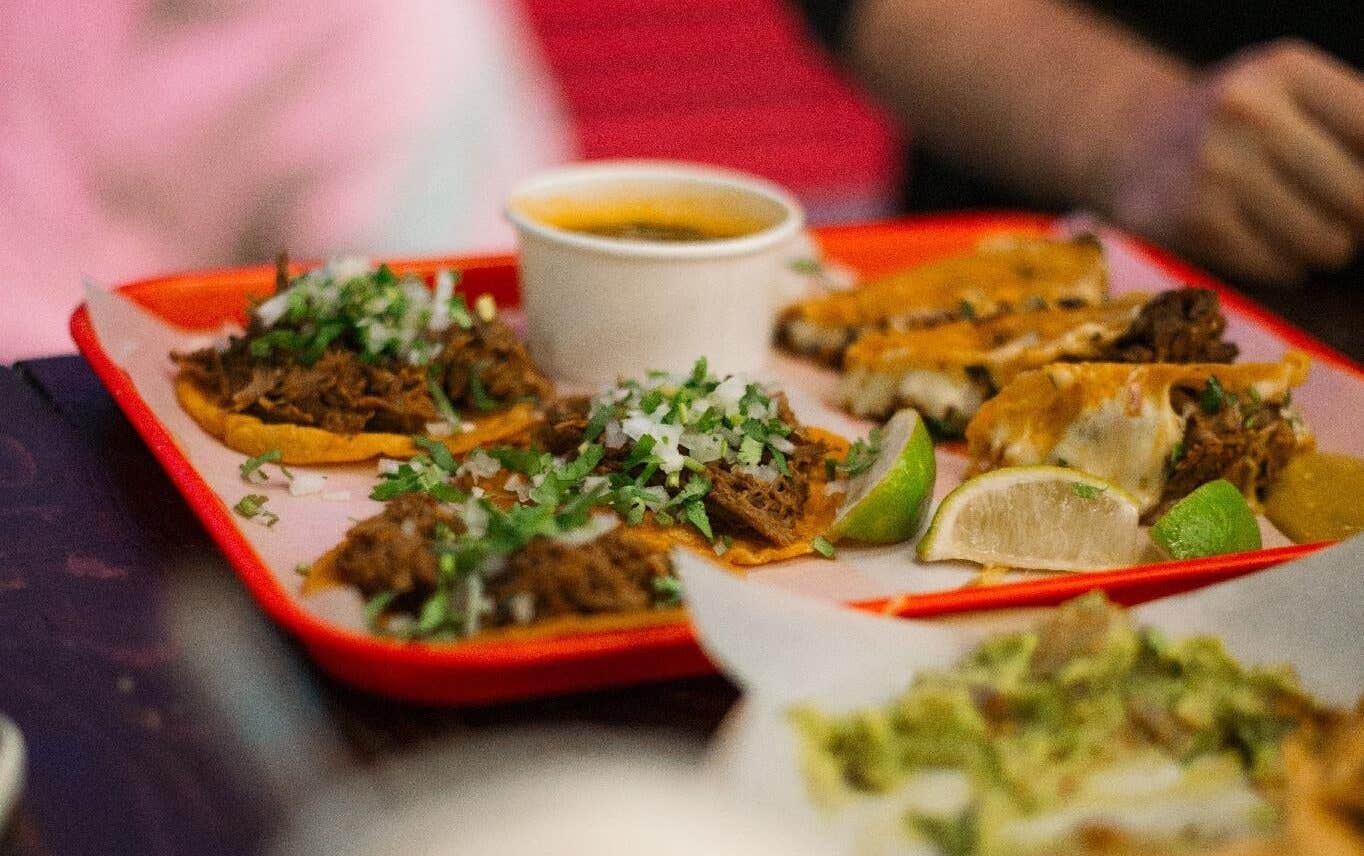
In Los Angeles, food often carries family history before anyone says a word. A tray of tamales in East LA, banchan from Koreatown, Armenian pastries from a Glendale bakery, Persian rice from a family kitchen in the Valley, or pan dulce picked up in Boyle Heights can say, “I remember what you love.” For aging parents, grandparents, aunts, and uncles, those familiar tastes can bring back whole chapters of life.
LA families are often spread across long distances. One sibling may live in the South Bay, another in Pasadena, while an older parent lives near the Westside or in the San Fernando Valley. Traffic, work schedules, and caregiving responsibilities can make visits harder to coordinate, but food gives those visits a natural shape. A meal creates a reason to sit down, slow the day, and make time together feel like family life.
The dish itself does not have to be elaborate. It might be a container of caldo, soup from Thai Town, strawberries from the Santa Monica Farmers Market, or a smaller version of a Sunday dinner that once filled the house. In a city built from many food traditions, sharing something familiar helps older loved ones feel connected to home, culture, and the people who know their preferences by heart.
When a Shared Meal Reveals More Than Hunger
For many Los Angeles families, a meal is one of the few calm moments they get with an aging loved one. A daughter may drive from Culver City to the Valley after work with homemade soup. A grandson may bring pastries from Little Armenia before visiting a grandfather in a care facility. Siblings may coordinate a weekend lunch around parking, visiting hours, and the reality of crossing town on the 10 or the 101.
Those meals can reveal details that may never come up during a quick phone call. A loved one who used to enjoy pozole may barely touch the bowl. A father who always asked for coffee may seem unusually thirsty or tired. A grandmother who once loved hosting everyone around the table may become withdrawn when food arrives. These changes may have simple explanations, but they deserve attention.
For Los Angeles families visiting an older loved one in a nursing home, assisted living facility, or long-term care setting, a familiar meal can create space to notice whether that person seems safe, nourished, and respected. A grandmother in the Valley who suddenly avoids eating, a father near the Westside who seems unusually dehydrated, or an aunt in a care facility across town who becomes anxious when discussing daily meals may be signaling that something in her care routine needs closer attention. When those concerns move beyond ordinary changes in appetite or aging, families may turn to resources such as Nursing Home Law Center to better understand warning signs, resident rights, and possible next steps.
Appetite, energy, and mood can shift with age, medication, grief, illness, or a change in routine. Still, meals give families a practical way to observe patterns. If the same concerns appear during several visits, it may be time to ask more questions, speak with caregivers, or look more closely at what support the loved one is receiving.
The Small Details Families Notice Around the Table
Food-centered visits give families a chance to notice changes without making the conversation feel clinical. In LA, where a visit may be planned around a favorite bakery, market, or restaurant, those changes can stand out clearly. An older relative who always loved dumplings from the San Gabriel Valley may suddenly refuse them. A parent who once asked for fruit from the Hollywood Farmers Market may leave it untouched.
Some signs are physical. A loved one may appear thinner than during the last visit, struggle to sit comfortably, or seem too tired to finish a small meal. Others show up in behavior. They may avoid eye contact when asked about daily routines, seem embarrassed about needing help, or become quiet when staff or caregivers enter the room. During warmer Southern California months, families may also notice whether an older relative seems dehydrated.
These details call for patience. A single untouched plate may mean the food was too spicy, too difficult to chew, or simply not appealing that day. Repeated changes can carry more weight. If a loved one no longer enjoys familiar foods, seems anxious during mealtimes, or cannot explain why meals are being missed, the family should pay attention.
A shared meal also gives relatives time to listen. Older adults may be more willing to talk while tasting a familiar dish than during a direct conversation about care. A grandmother may mention that she misses fresh fruit. A father may admit that he has trouble opening containers. An aunt may say that food arrives cold or that she does not want to bother anyone for help. In those moments, food becomes a gentle way to understand daily life for the person receiving care.
Why Familiar Foods Matter as Loved Ones Age
Familiar foods can be deeply grounding for older adults, especially in a city as culturally layered as Los Angeles. A bowl of arroz caldo, a plate of pupusas, a serving of Persian stew, or a small dish of Korean soup can carry memories of childhood, migration, family celebrations, and the neighborhoods that shaped a person’s life. For someone who has moved from a longtime home into a smaller apartment, assisted living community, or nursing facility, those tastes can help preserve a sense of identity.
Many older adults respond well to meals that feel predictable and recognizable. A parent from Pasadena may look forward to the same fruit every morning. A grandparent in Highland Park may still prefer the soup served at family gatherings. A relative in the South Bay may eat more when the meal reminds them of home rather than a generic tray of food.
Aging can also change how people eat. Appetite may decrease. Chewing or swallowing may become harder. Medications may affect taste. Health conditions may require lower sodium, softer textures, or smaller portions. Families preparing beloved LA dishes may need to adapt recipes while keeping the flavors familiar. Practical guidance on healthy eating for older adults can help families think through nutrition, hydration, and meal planning in a way that supports comfort and well-being.
Adapting food does not have to strip it of meaning. Tamales can be served in smaller portions. Rice dishes can be softened. Soups can be made easier to sip. Fresh farmers market fruit can be sliced into manageable pieces. The goal is to preserve the connection while respecting the body’s changing needs.
Bringing the Meal to Them
When an older loved one cannot easily leave home or a care facility, bringing food to them can keep LA family rituals alive. A dish that travels from East LA to Pasadena, or from the Valley to the Westside, needs to hold up through traffic, parking delays, and warm weather. Soups, stews, rice dishes, soft vegetables, sliced fruit, and individually packed portions often work better than foods that need perfect timing.
Families should check facility rules before bringing homemade meals. Some nursing homes or assisted living communities may have restrictions related to food safety, allergies, swallowing concerns, or special diets. Calling ahead can prevent disappointment and help the visit go more smoothly. It also shows respect for medical or dietary needs.
The meal should feel generous without becoming overwhelming. A large family-style spread may look beautiful, but it can make an older loved one feel pressured to eat more than they want. Smaller portions allow them to enjoy a few bites without embarrassment. A favorite side, familiar dessert, or small container of broth may be more meaningful than a full feast.
Food can also carry stories. A family member might bring a handwritten recipe card, a photo from an old holiday meal, or a memory about the market where ingredients were once bought. For a grandparent who used to shop in Thai Town, Koreatown, or along a familiar stretch of the Eastside, those details can turn a short visit into a connection with the life they built in Los Angeles.
Recreating LA Food Rituals in Smaller Ways
As loved ones age, families may need to resize traditions while keeping their spirit intact. A grandfather who once walked through the farmers market every weekend may now enjoy a small basket of peaches, citrus, herbs, or flowers brought to his room. A mother who hosted Sunday dinners in Inglewood or Highland Park may still want to help choose the menu, taste the sauce, or tell a grandchild how the dish should smell when it is ready.
The ritual matters because it keeps the older loved one involved. Families can ask for guidance instead of simply delivering food. Which bakery made the best bread? Which market had the freshest produce? Which restaurant was the birthday place? Which dish did the family make when relatives arrived from out of town or when everyone gathered after church?
LA offers many ways to make those memories tangible. A family might bring pan dulce from the Eastside, dumplings from the San Gabriel Valley, soup from Koreatown, pastries from Glendale, or fruit from a neighborhood farmers market. Even if the loved one can only eat a small amount, the smell, texture, and conversation around the food can bring them back into the family rhythm.
Smaller rituals can also work at home. A relative might help fold napkins for taco night, choose toppings, sort herbs, stir a sauce, or explain how a holiday dish used to be prepared. These gestures honor the older person’s role in the family and remind everyone that aging does not erase a person’s knowledge, taste, or place at the table.
Creating Low-Pressure Food Outings Around LA
For older loved ones who can still go out, the best food outings are often simple, short, and comfortable. A quiet weekday lunch in Pasadena may be easier than a crowded Saturday dinner. An early meal in Culver City may feel better than waiting in a busy restaurant. A shaded stop at a Santa Monica market, a calm café in Echo Park, or a familiar neighborhood bakery can offer connection without exhaustion.
Planning matters in Los Angeles. Families should think about parking, walking distance, shade, seating, restroom access, and how much noise or crowding the loved one can handle. During warmer months, water and shade are especially important. A food outing should feel relaxed rather than physically demanding.
Seasonal events can also work when chosen carefully. For seniors who enjoy being out in the city, farmers markets, neighborhood tastings, and Los Angeles food festivals can create shared memories, especially when families go early, choose less crowded times, and build in breaks.
The most successful outings come from knowing the person. Some older relatives may love the energy of a market. Others may prefer a quiet booth at a restaurant they have visited for years. A parent who once explored every new opening in LA may still enjoy tasting something new, while a grandparent may find comfort in returning to the same café where the family has gathered for decades.
Passing Recipes Across Generations
Recipes are often family archives, especially in Los Angeles households shaped by migration, neighborhood change, and more than one language at the table. Many treasured dishes were never written down. They were learned by watching, tasting, adjusting, and listening. As loved ones age, asking about those foods can preserve stories that might otherwise fade.
Families can start with simple questions. Where did you shop when you first moved to LA? Which market carried the ingredients you needed? What restaurant did the family visit after graduations or birthdays? Which dish reminds you of home? How did the recipe change after settling in Southern California?
These conversations can be recorded in practical ways. A grandchild might take voice notes while a grandmother explains how much seasoning to add. A daughter might photograph old recipe cards. Siblings might create a shared document for holiday dishes, market memories, and family food traditions. Someone might write down which bakery supplied the bread, which butcher knew the family order, or which farmers market stand had the fruit everyone waited for each season.
Passing down recipes also gives older loved ones a chance to lead. Even if they no longer cook the way they once did, they can correct the seasoning, explain the timing, or tell the story behind the dish. That knowledge becomes care moving from elder to family, from memory to future meals.
Staying Connected One Meal at a Time
Staying close to aging loved ones does not require a perfect plan. In Los Angeles, where families may be separated by traffic, work, caregiving schedules, and neighborhoods that feel like separate cities, small food rituals can still carry great meaning. A familiar dish brought across town, a quiet lunch before the afternoon rush, a favorite snack from a neighborhood bakery, or a recipe remembered out loud can help an older relative feel seen.
Food gives families a way to show attention. It says that someone remembers the soup they like, the fruit they prefer, the bakery they trusted, the market they once visited, and the dish that always belonged at the center of the table. For aging loved ones, that kind of memory can be a comfort.
Across LA’s many cultures and neighborhoods, shared meals remain one of the most meaningful ways to bridge generations. They keep family stories alive, invite older loved ones into the present, and remind everyone that care can begin with something as simple as bringing the food that tastes like home.