There is a specific moment at every dinner party when someone waves off the wine, and the table goes briefly quiet. For years, the only graceful exit was sparkling water with a tired wedge of lime. That is changing fast. THC seltzers have arrived as a genuine alcohol alternative, offering the ritual of a cold drink and a gentle lift without the next-day toll. Here is how they actually work.
A quieter kind of happy hour
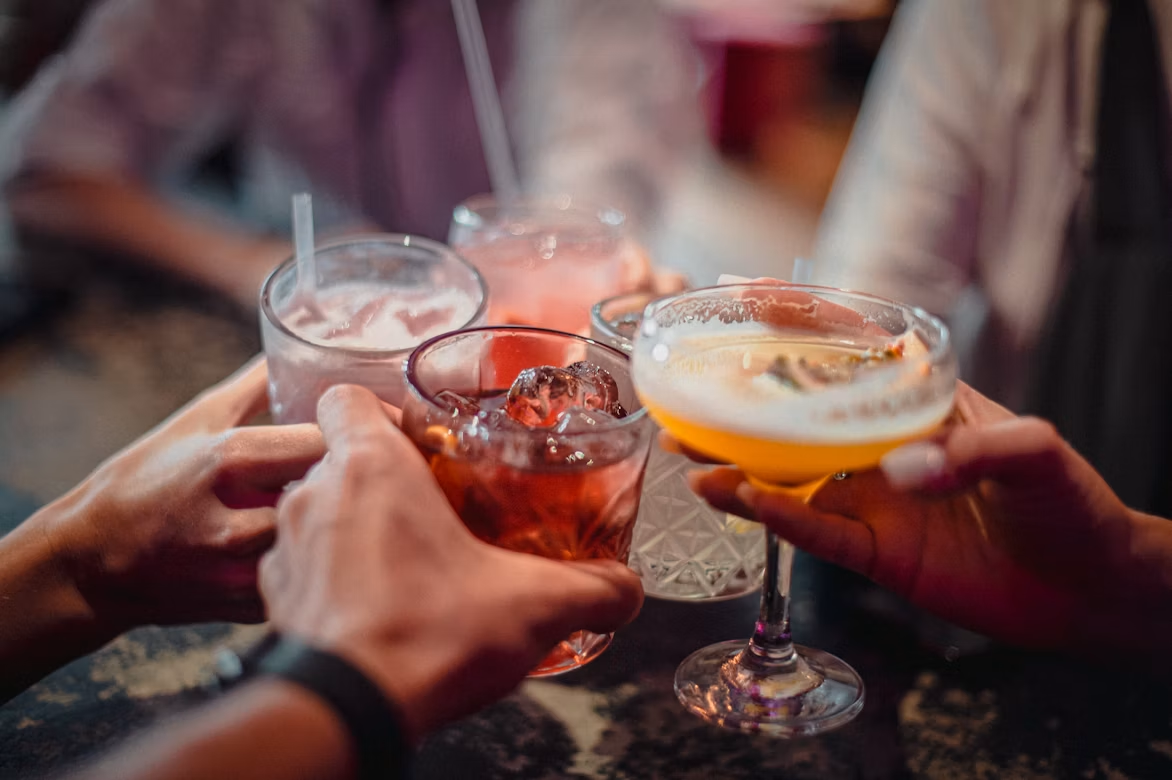
Walk into a good bar in Los Angeles right now, and the menu tells the story. Zero-proof cocktails sit beside the Negronis, and the bartender does not blink when you ask what is in the non-alcoholic column. The shift is real and measurable. A 2025 Gallup survey found that only 54% of US adults say they drink alcohol, the lowest figure in nearly nine decades of polling, with the decline sharpest among adults under 35 and among women.
Part of that is taste, and part of it is information. The old story that a daily glass of wine was good for you has quietly fallen apart, and the health messaging around alcohol has gotten blunter. None of this means everyone is quitting. It means a lot of people want the social part of drinking without the part that leaves them foggy and regretful. A sparkling can with a mild buzz fits that brief almost perfectly, which is why Dry January and Sober October stopped feeling like punishment and started looking like a category.
What is actually happening when you sip one
A THC seltzer is sparkling water infused with a small, measured dose of hemp-derived delta-9 THC, the same compound responsible for the effects of cannabis. The trick is chemistry. THC does not dissolve in water on its own, so producers break it into microscopic droplets through a process called nano-emulsification, which lets it disperse evenly through the liquid and absorb more readily once you drink it.
Dose is the other half of the equation. Most seltzers built as an alcohol alternative carry a deliberately light load, often two to five milligrams per can. A low-dose option like Crescent 9 THC seltzer is formulated around a few milligrams of hemp-derived delta-9 per serving, the kind of measured pour meant to feel like one drink rather than a plunge into the deep end. That restraint is the whole point. You are after a pleasant edge, not a couch-locked evening.
From there, the effect comes down to how your body handles cannabinoids. THC works on the endocannabinoid system, the network of receptors that helps regulate mood, appetite, and relaxation. Research on cannabinoid pharmacokinetics shows that swallowing THC produces a slower, longer effect than inhaling it, because much of the dose passes through the liver first. A nano-emulsified drink sits somewhere in the middle, with part of the dose absorbing faster than a solid edible would, which is why many seltzers are marketed as fast-acting.
How the buzz compares to a glass of wine
The experience is not the same as alcohol, and that is exactly why people are switching. A glass of wine loosens you through a depressant that also dehydrates you and chips away at your sleep. A THC seltzer relaxes you through a different door. Most people describe a light, heady ease that settles the shoulders without the slurred, sloppy edge that arrives after the third cocktail. There is no hangover in the traditional sense, and many of these drinks carry little or no sugar, so the morning after feels like an ordinary morning.
It also scratches the same itch that makes a cocktail satisfying in the first place: something cold and a little ceremonial in your hand. That ritual matters more than people admit. The craft of a good non-alcoholic drink has come a long way, as anyone who has worked through our guide to marvelous mocktails already knows, and a THC seltzer slots neatly into that world of careful, grown-up drinks that happen to leave the alcohol out.
There is no hangover in the traditional sense, no acetaldehyde for your liver to clear the next morning, and many of these drinks carry little or no sugar, so the morning after feels like an ordinary morning. You also step around the longer-term concerns that have pushed alcohol into the spotlight, including the link between alcohol and cancer risk that the US Surgeon General laid out in a 2025 advisory. The contrast shows up most clearly in how the body feels the next day.
Seltzer, gummy, and joint formats shape the experience
Cannabis comes in plenty of shapes, and the format changes the experience as much as the dose does. A joint comes on within minutes but burns off quickly, and it carries the smoke and the smell that make it a poor fit for a dinner table. A gummy is discreet and long-lasting, but it travels the slow road through your digestive system, which is how people end up eating a second one and regretting it an hour later when both arrive at once.
A seltzer lands in the gap between them. It tends to come on faster than most solid edibles, the dose is printed on the can rather than guessed at, and it behaves socially the way a drink does. You hold it, you sip it over the course of an hour, and you set it down between conversations. For anyone trying to trade a cocktail for something lighter, that familiar rhythm is half the appeal. The other half is the off switch: when the can is empty, you are done, with none of the open-bottle math that makes a second glass of wine so easy to pour.
Drinking one well
If you are coming from wine or beer, the instinct is to treat a seltzer like a beer and crack a second one fast. Resist that. THC builds, and a drink that absorbs partly through the gut can sneak up on you if you stack three in twenty minutes. A few ground rules make the first run smooth:
- Start with one can and give it 30 to 45 minutes before deciding whether you want another.
- Drink it with or after food, the same way you would pace a glass of wine.
- Read the label for milligrams per serving, not just per can, and note whether the number refers to delta-9 specifically.
- Skip mixing it with alcohol while you are still learning how it lands.
The social side is sorting itself out quickly. Restaurants and bars around Los Angeles are starting to stock low-dose THC drinks beside their wine lists, and the city's drinking culture has always been quick to fold in whatever comes next, as our roundup of where to drink in LA right now makes clear. Ordering a seltzer instead of a spritz no longer reads as opting out. It reads as ordering something specific.
The appeal is not complicated. People still want the cold glass, the small ritual, the soft landing at the end of a long day. They have simply gotten clearer about what alcohol costs them, and they now have a sparkling can that delivers most of the upside with very little of the downside. Whether THC seltzers fully replace the cocktail or just earn a permanent spot next to it, they have already changed what it means to ask for a drink.