Entertainment has always been one of Los Angeles’ economic engines. Concerts, professional sports, movies, comedy and major events bring people into different parts of the city, and restaurants often become part of the experience.
A concert can begin with dinner. A Dodgers game might mean meeting friends for drinks before the first pitch. Visitors attending a convention may spend several days discovering restaurants around their hotel and elsewhere in the city.
But the way people spend their entertainment time and money is changing. More leisure activities are moving online, creating new questions about how digital entertainment fits alongside an economy traditionally built around physical destinations. Los Angeles itself has become part of that conversation.
Los Angeles Takes On Stake.US
One of the clearest examples came in September 2025, when the Los Angeles City Attorney filed a lawsuit against Stake.US and associated companies. The lawsuit alleges that Stake.US operated an unlicensed gambling business in California while presenting itself as a social casino. It also named Kick, the streaming platform affiliated with Stake, as well as gaming suppliers and other companies.
The case brought a wider national debate directly into Los Angeles: where do sweepstakes-style casino platforms fit within existing gambling laws?
That question can be difficult for consumers because the US has no single framework for sweepstakes casinos. Instead, each state sets its own approach, and sweepstakes casino laws can differ so much that a platform available in one place may be restricted or unavailable just across a state line.
The Los Angeles dispute is therefore part of a much bigger change in entertainment. More experiences are available without people ever leaving home, while LA's traditional entertainment economy still depends heavily on bringing audiences together in physical places.
For restaurants, that distinction matters.
When Entertainment Brings People Out
A digital platform can reach a huge audience without creating a crowd anywhere. A concert or sporting event does the opposite.
When thousands of people travel to the same part of Los Angeles at roughly the same time, they create demand beyond the venue itself. They need transportation, parking and, very often, somewhere to eat.
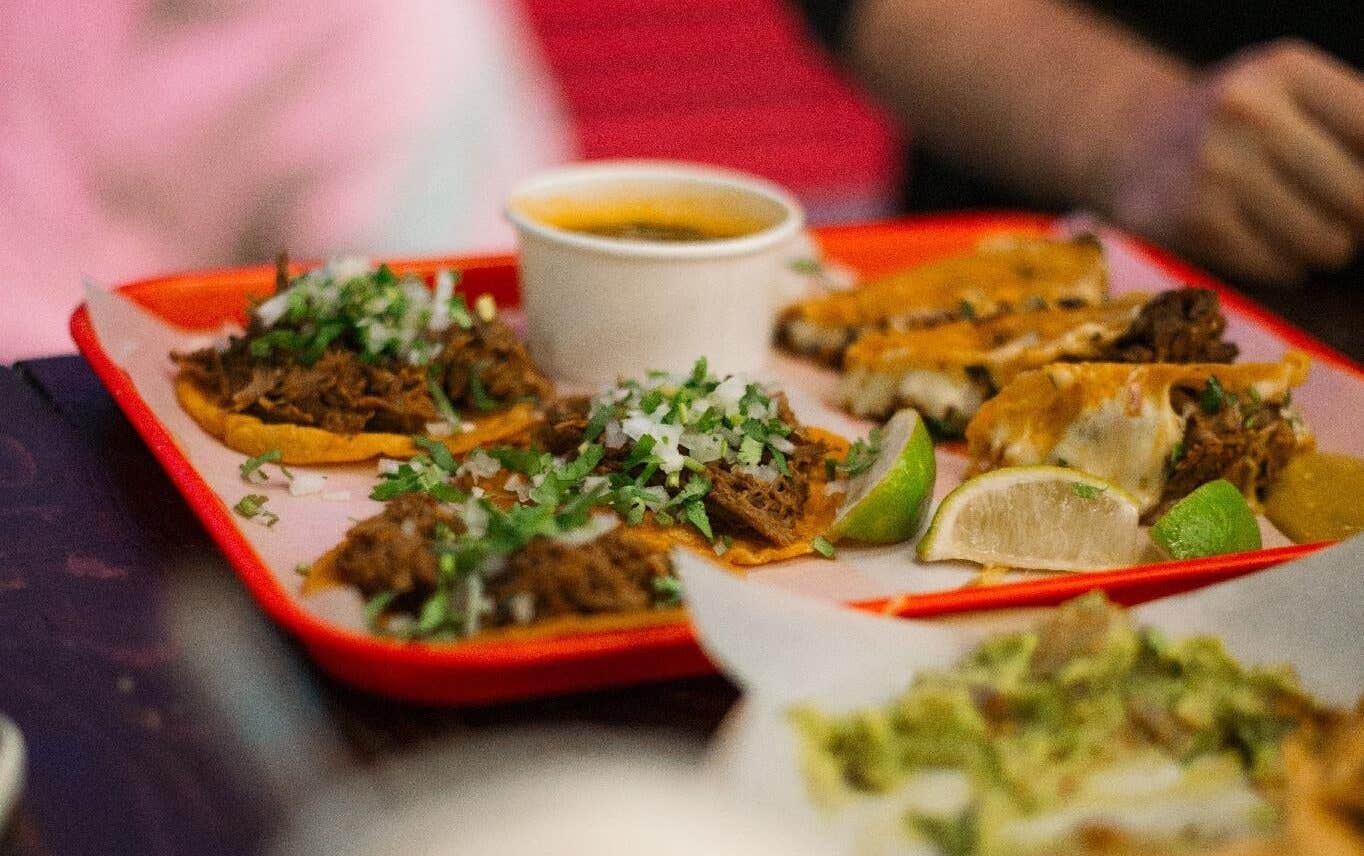
Friends might meet over dinner before a concert rather than trying to find one another inside the venue. Sports fans may gather at a restaurant or bar before heading to the stadium. Once an event ends, part of the crowd may look for drinks, tacos or a late-night meal before going home.
Restaurants become part of the entertainment experience without having any formal connection to the event.
One Ticket Can Create a Night of Spending
This is why the economic impact of entertainment cannot be measured only through ticket sales.
Someone attending an event may also pay for transportation, dinner and drinks. Visitors from outside the region can add hotel stays and several days of meals to that spending.
The scale of LA’s wider visitor economy is substantial. According to the Los Angeles Tourism & Convention Board, the region welcomed 49.5 million visitors in 2025. Their activity generated $42.6 billion in total business sales and approximately $118 million in economic activity every day.
Tourism also supported more than 530,000 jobs across Los Angeles County.
For restaurants, those visitors represent potential customers whose spending can extend well beyond the attraction that originally brought them to the city.
Sometimes Food Is the Attraction
The relationship between dining and entertainment also works in the opposite direction. People do not always eat because they happen to be attending something else. Los Angeles’ food scene can be a destination in its own right.
Summer Dine LA Restaurant Week demonstrated that reach in 2026, featuring more than 400 restaurants across 84 neighborhoods and representing 26 global cuisines.
That geographic diversity gives both residents and visitors reasons to move around the city. Someone staying Downtown for a convention might travel to another neighborhood specifically for dinner. A family visiting for a sporting event could discover a restaurant that becomes one of the most memorable parts of the trip.
Food can therefore help spread visitor spending beyond major venues and traditional tourist districts.
Big Events Change When LA Eats
Major events can also change the rhythm of restaurant service.
A concert beginning at 8 p.m. can push diners to make earlier reservations. Several hours later, thousands of people leaving the venue at the same time can produce a second wave of customers looking for food and drinks.
Different businesses benefit at different points. Full-service restaurants may capture the pre-event dinner crowd, while casual restaurants, food trucks and late-night counters can benefit once an event finishes.
Conventions create another pattern.
Los Angeles hosted 19 citywide conventions in 2025, welcoming more than 260,000 attendees and generating more than 209,000 hotel room nights. More than 470 additional meetings and events across LA hotels generated another 254,000 room nights.
Unlike someone attending a single concert, these visitors may need breakfast, lunch and dinner for several consecutive days.
Physical Entertainment Still Has an Advantage
The rise of digital entertainment does not mean people will stop going out. It means more activities are competing for the same leisure hours and spending.
Someone can stay home and stream a movie, play a game or use another digital entertainment service. Alternatively, they can buy a ticket, meet friends and spend an evening somewhere in Los Angeles.
For restaurants, the second choice creates something particularly valuable: foot traffic.
Los Angeles will have plenty of opportunities to generate it. Following the 2026 FIFA World Cup, the region is looking ahead to Super Bowl LXI and the 2028 Olympic and Paralympic Games.
Each major event has the potential to produce economic activity far beyond its venue.
Food Remains Part of the LA Experience
The Stake.US lawsuit represents one side of a changing entertainment economy. New digital formats are emerging, and regulators and courts are being asked to determine how existing laws apply to them.
At the same time, Los Angeles continues to depend on entertainment that brings people together physically.
That matters to restaurants because a night out rarely consists of just one activity. People meet before an event, eat afterward and sometimes discover parts of the city they had no original intention of visiting.
The ways people entertain themselves may continue to evolve, but physical events still create something digital entertainment cannot: thousands of people stepping out into Los Angeles looking for what to do — and where to eat — next.