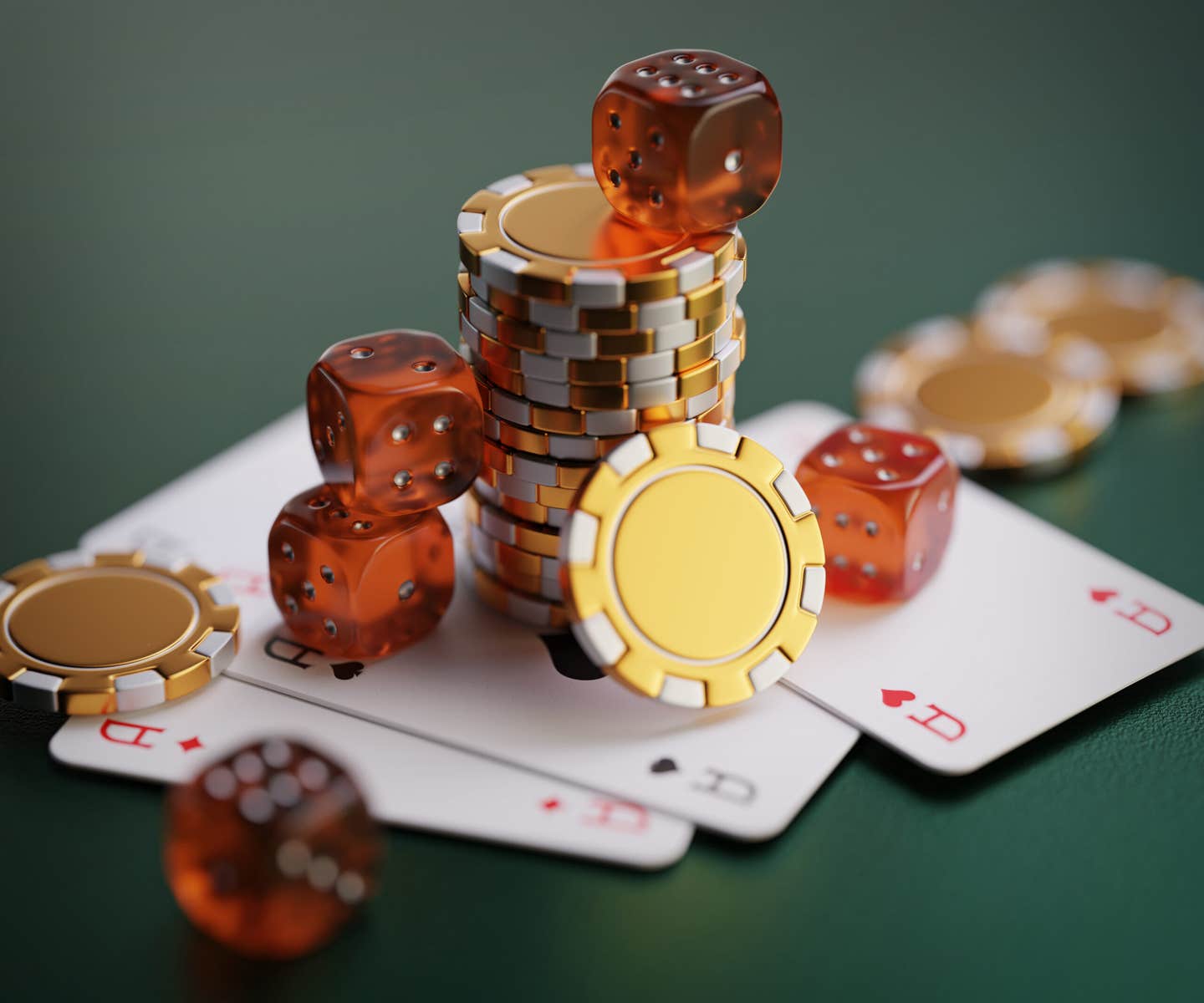
Poker has a reputation for being complicated, but the basic poker rules are surprisingly approachable. Players receive cards, make bets over one or more betting rounds, and try to win the pot either by showing the strongest hand or convincing everyone else to fold. Once you understand the ranking of poker hands and a few common actions such as check, call, raise, and fold, the rest becomes much easier to follow.
That is also why poker works so well as a social game. You can learn the essentials around a kitchen table without memorizing tournament strategy or mastering probability first. Anyone who later starts researching casino play can use Fair Gambling to compare current casino transparency information and understand how different reward systems work before deciding whether an operator deserves further consideration.
For a home game, however, the best first night is usually the simplest one. Pick a single poker variant, explain the basic rules before dealing, keep the food within easy reach but away from the cards, and give new players enough time to understand what is happening. Poker becomes a lot more enjoyable when nobody has to pretend they already know the lingo.
Basic Poker Rules Every Beginner Should Know
Most common forms of poker use a standard deck of 52 cards. Depending on the poker game, players may receive cards that only they can see, shared community cards placed on the table, or a combination of face-up and face-down cards.
The objective is to win the pot, which is the collection of chips or money wagered during the hand. There are two basic ways to do that.
The first is to reach a showdown and hold the strongest qualifying five-card poker hand. The second is to bet or raise in a way that causes every other player to fold before a showdown takes place. This second point is what separates poker from many other card games. You do not always need the best cards to win.
The exact dealing procedure changes between variants of poker, but a typical hand follows a familiar rhythm. Cards are dealt, one or more players make decisions during a betting round, additional cards may be dealt, and another round of betting follows. When the final betting round ends, any players still in the hand compare their cards according to the game's rules.
Poker is normally played clockwise. A dealer button is commonly used in Texas Hold’em and other community-card games to mark the nominal dealer position. The button moves one seat after each hand so that betting positions rotate around the table.
Before playing, everyone should also agree on the version of poker, chip values, betting limits, and any house rules. That five-minute conversation can prevent an hour of confusion.
Rank of Poker Hands From Best to Worst
Learning poker hand rankings is the fastest way to make the game feel less mysterious. In most standard high-hand poker games, hands rank in the following order.
| Rank | Poker hand | Example | What it means |
| 1 | Royal flush | A♠ K♠ Q♠ J♠ 10♠ | Ace-high straight flush |
| 2 | Straight flush | 9♥ 8♥ 7♥ 6♥ 5♥ | Five consecutive cards of the same suit |
| 3 | Four of a kind | Q♣ Q♦ Q♥ Q♠ 4♣ | Four cards of the same rank |
| 4 | Full house | 8♠ 8♦ 8♣ K♥ K♣ | Three of one rank and two of another |
| 5 | Flush | A♦ J♦ 8♦ 5♦ 2♦ | Five cards of the same suit |
| 6 | Straight | 10♣ 9♦ 8♠ 7♥ 6♣ | Five consecutive ranks |
| 7 | Three of a kind | 7♠ 7♦ 7♣ Q♥ 3♠ | Three cards of the same rank |
| 8 | Two pair | J♣ J♦ 5♠ 5♥ 2♣ | Two different pairs |
| 9 | One pair | A♣ A♥ 9♦ 6♠ 3♥ | Two cards of the same rank |
| 10 | High card | K♣ J♥ 8♦ 5♠ 2♥ | No stronger combination |
A royal flush is simply the highest possible straight flush. It runs from ten through ace with all five cards belonging to the same suit.
A standard straight can also use an ace as the low card in A-2-3-4-5. In that case, the five is treated as the high card of the straight.
When two players make the same category of hand, individual card ranks determine the winner. Two pairs of aces, for example, are compared using the next highest cards until the tie is broken. If two players have genuinely identical best five-card combinations, the pot is normally split.
Suits do not usually outrank one another in standard poker.
How Betting Works in Poker
Knowing the cards is only half the game. The other half is understanding what players can do when the action reaches them.
| Action | What it means | When you can use it |
| Check | Pass the action without adding chips | When nobody has made a bet in the current round |
| Bet | Put chips into an unopened betting round | When no previous player has bet |
| Call | Match the current bet | After another player has bet or raised |
| Raise | Increase the current bet | When facing an existing bet |
| Fold | Give up the hand | When you do not want to continue |
| All-in | Commit all remaining chips | When betting or calling with your entire stack |
A player cannot normally check when facing a bet. They must call, raise if permitted, or fold.
Betting continues around the table until all active players have contributed the required amount or folded. If one player makes a bet and everybody else folds, the bettor wins the pot without needing to reveal a poker hand.
This is also why position matters. A poker player who acts later has already seen what several opponents have chosen to do. That additional information can influence whether it makes sense to bet, call, raise, or fold.
Big Blind and Small Blind
Texas Hold’em usually begins with two compulsory bets called blinds.
In a normal game with three or more players, the player immediately to the left of the dealer button posts the small blind. The next player posts the big blind. These forced bets ensure there is something in the pot before the cards are dealt.
Each player is then dealt two hole cards face down.
During the first betting round, known as preflop, the player to the left of the big blind normally acts first. On later streets, the first remaining player to the left of the dealer button acts first.
Heads-up poker has special positional rules, so beginners organizing a two-player game should check the specific procedure before starting.
Types of Poker Betting Limits
A poker game's betting structure determines how much players may wager.
In fixed-limit poker, bet and raise sizes are predetermined. A game might use one fixed amount in the earlier rounds and a larger fixed amount later.
In pot-limit poker, a player's maximum bet or raise is tied to the size of the pot. Pot-Limit Omaha is the best-known example.
In no-limit poker, players may generally bet any amount up to their entire remaining stack when the rules allow a bet or raise. No-Limit Texas Hold’em is the version many people recognize from major televised tournaments.
For a friendly first game, the structure matters less than clarity. Decide the rules and stakes before the first hand rather than improvising once chips are already in the middle.
Texas Hold’em Poker Rules Step by Step
Texas Hold’em is the most useful poker variant for a beginner to learn because it is widely played and introduces nearly every important concept in a straightforward format.
Each player receives two private hole cards. Five community cards are eventually dealt face up in the center of the table. Players may use any combination of their hole cards and the community cards to create their strongest five-card hand.
That means a player may use both hole cards, one hole card, or even neither hole card if the five community cards themselves make the best possible hand.
Preflop
After the small blind and big blind are posted, the dealer deals two cards face down to every player.
The first betting round begins with the player to the left of the big blind. Players may fold, call the big blind, or raise. The action continues until all remaining players have matched the required amount.
Flop
The dealer places three community cards face up on the table. These are collectively called the flop.
Another betting round follows. Players can now combine their two private cards with the three community cards when assessing the strength of their potential hand.
Turn
A fourth community card called the turn is dealt face up.
Another round of betting takes place.
By this stage, each remaining player has access to six possible cards when considering a five-card combination.
River
The fifth and final community card is called the river.
A final betting round follows. With two hole cards and five community cards now available, each player has seven cards from which their best five-card combination can be formed.
Showdown
If at least two players remain after the river betting round, the hand reaches a showdown.
The players expose their cards according to the applicable game rules, and the strongest five-card poker hand wins the pot.
Imagine you hold A♣ K♣ and the board reads Q♣ J♣ 10♣ 4♦ 2♠. Your best five cards are A♣ K♣ Q♣ J♣ 10♣, giving you a royal flush. The four and two do not form part of the final hand.
The important beginner lesson is that poker evaluates the best qualifying five-card hand, not necessarily every card available to a player.
Is Poker Played With Five or Seven Cards?
Both answers can be correct.
A standard poker hand is generally ranked using five cards. In Texas Hold’em, however, a player can have access to seven cards by the river — two private hole cards plus five shared community cards. The player selects the best possible five-card combination from those seven.
Five-Card Draw works differently because each player normally holds five private cards after the draw is complete.
Seven-Card Stud can give a player seven individual cards over the course of a hand, but the final result is again determined using the strongest five-card poker hand.
This distinction explains why beginners often hear both numbers.
How to Play Five Card Draw
Five-Card Draw is a particularly intuitive form of poker for a casual home game because there are no community cards to track.
Each player begins with five cards face down. Depending on the house rules, the game may begin with antes, blinds, or another agreed forced bet.
After the initial deal, a betting round takes place. Players still in the hand may then discard some of their cards and receive replacements from the deck. This is the draw that gives the game its name.
Once replacement cards are dealt, another round of betting follows.
If two or more players remain, they show their hands and compare standard five-card poker hand rankings. The strongest hand wins the pot.
Five-Card Draw also gives beginners an easy way to understand why hidden information matters. Unlike Texas Hold’em, there is no community board revealing part of every player's potential hand.
Stud Poker and Other Poker Variations
Poker is really a family of related card games rather than one single game.
| Poker variation | Cards and structure | Beginner takeaway |
| Texas Hold’em | Two private cards plus five community cards | Best all-around starting point |
| Omaha | Four private cards plus five community cards | Usually requires exactly two hole cards and three board cards |
| Five-Card Draw | Five private cards with a drawing phase | Simple format for casual home games |
| Seven-Card Stud | Mix of face-up and face-down individual cards | No shared community board |
Omaha resembles Texas Hold’em at first glance, but one rule changes the game considerably. In standard Omaha, players receive four hole cards and must use exactly two of them together with exactly three community cards to build a five-card hand.
That is different from Hold’em, where a player can use zero, one, or two hole cards.
Stud poker removes the shared community-card board altogether. In Seven-Card Stud, players receive a combination of visible and hidden individual cards across several streets and betting rounds.
Whenever you move from one poker variant to another, check the rules of the variant before assuming that the familiar Hold’em procedure still applies.
Common Poker Terms Beginners Hear at the Table
The pot is the collection of chips being contested in the current hand. Hole cards are private cards belonging to an individual player. The board refers to shared community cards.
The button marks the dealer position in games such as Texas Hold’em. The blinds are compulsory wagers posted before the cards are dealt.
The flop, turn, and river are the three stages at which community cards appear in Hold’em. The flop contains the first three community cards, while the turn and river each add one.
A showdown occurs when remaining players reveal their cards after the final round of betting. A kicker is an unpaired card that can be used to break a tie between otherwise similar hands.
To muck generally means to discard a hand without showing it. To go all-in means wagering all of the chips remaining in your stack.
In a commercial poker room, the rake is one common way the operator earns revenue from poker. Rather than competing directly against the players in a normal poker cash game, a room may take a small portion of qualifying pots, charge for time at the table, or collect tournament entry fees depending on its rules and jurisdiction.
Beginner Tips for Playing Poker
Start by learning the rules rather than trying to imitate advanced strategy. Knowing when it is your turn, what the current bet is, which cards are shared, and how hands rank will prevent far more mistakes than memorizing sophisticated bluffing concepts.
Pay attention even after folding. Watching the dealer button move, seeing when players check or raise, and following how the pot develops can teach the flow of the game without putting additional chips at risk.
Act in turn. Making a move before the players ahead of you have acted can reveal information and create confusion.
When raising in a live game, state your intention clearly. House and tournament procedures can determine how verbal declarations and chip movements are interpreted.
Protect your cards and keep them clearly separated from discarded hands. In a casual game, this simply prevents accidents. In organized poker, card protection and action procedures can be governed by much more formal rules.
Most importantly, decide what you are comfortable losing before playing for money. Poker should be entertainment, not a way to solve financial problems. A home game can work just as well with low stakes, fixed chip values, prizes that are not cash, or no financial stake at all.
Formal tournaments can also use procedures beyond the basic poker rules described here. The Poker Tournament Directors Association released its 2026 rules in September 2026, reinforcing why players entering an organized tournament should read that event's current rules rather than assuming every poker room handles unusual situations identically.
How to Keep a Home Poker Night Moving
A good poker night is as much about hosting as dealing.
Choose the variant before guests arrive and put the basic hand rankings somewhere visible. If several people are completely new to poker, Texas Hold’em or Five-Card Draw is easier than switching between multiple games throughout the evening.
Set the chip values in advance. Decide whether there will be rebuys, how long the game will run, and whether you are playing purely for fun or for agreed stakes. If money is involved, hosts should also understand the laws that apply where they live.
Then think about the table as you would any other gathering.
The best game-night food can be eaten without dismantling an entire place setting. Small sandwiches, skewers, sliced flatbreads, spiced nuts, vegetables with a sturdy dip, or cookies can all work. Very greasy foods are less friendly to cards and chips, and elaborate knife-and-fork dishes are better saved for a deliberate dinner break.
Drinks deserve their own zone. A side table, trays, or stable coasters are inexpensive insurance against the dramatic moment when a glass of red wine meets a deck of cards.
There is also no reason dinner and poker need to compete. Serve the meal first, clear the table, bring out the cards, and schedule a dessert or drink break halfway through the evening. Guests get time to talk, and the game is less likely to grind to a halt whenever someone needs another plate.
Poker is at its best socially when the game provides structure without becoming the only thing happening in the room.
Playing Poker Online and Knowing the Rules Where You Live
Online poker and casino availability should never be assumed to be the same everywhere.
For California readers in particular, the California Gambling Control Commission states that it does not issue and has never issued licenses to online casinos, and its current advisory says online gambling is illegal under California law. An offshore website displaying a gambling license from somewhere else should not be mistaken for an operator licensed by California.
Readers outside California should likewise verify the laws, minimum-age requirements, operator licensing, payment rules, and consumer protections that apply in their own jurisdiction before considering online play.
Research should also go beyond bonus claims. A detailed shuffle casino review, for example, can be used to examine areas such as licensing, identity verification, withdrawal procedures, fees, fairness information, security controls, complaints, and responsible gambling tools before deciding whether a platform warrants further consideration.
That kind of due diligence is more useful than treating a promotional offer as proof that a casino is appropriate for you. Never play somewhere prohibited by local law, and never gamble with money needed for essentials.
Poker Rules FAQ
What are the basic rules of poker?
Players receive cards and take part in betting rounds while trying to win the pot. A player can win by holding the strongest qualifying poker hand at showdown or by making bets that cause all opponents to fold. The exact number of cards and betting rounds depends on the poker variant.
Is poker played with 5 or 7 cards?
Poker hands are normally evaluated using five cards, but some games give players access to more. In Texas Hold’em, a player can use two hole cards and five community cards to choose the best five-card combination from seven available cards.
How do poker hand rankings work?
From strongest to weakest, standard high-poker hands are royal flush, straight flush, four of a kind, full house, flush, straight, three of a kind, two pair, one pair, and high card. When players have the same category, the ranks of the relevant cards determine the winner.
What is the best hand in poker?
A royal flush is the highest standard poker hand. It consists of ace, king, queen, jack, and ten, all in the same suit.
What is a flush in poker?
A flush contains five cards of the same suit that do not form a straight. If two players have flushes, the highest cards are compared until the tie is resolved.
What are the different types of poker games and their rules?
Common types of poker include community-card games such as Texas Hold’em and Omaha, draw poker such as Five-Card Draw, and stud poker such as Seven-Card Stud. The dealing procedure and card-use requirements differ, although standard five-card hand rankings are widely shared.
What are the betting rules and limits in poker?
Players generally check, bet, call, raise, or fold depending on the action before them. Fixed-limit games restrict bet sizes to predetermined amounts, pot-limit games cap bets according to the pot, and no-limit games can allow a player to wager their entire remaining stack.
How do you play Texas Hold’em poker?
Each player receives two hole cards. After an initial betting round, the dealer reveals three community cards called the flop, followed by another betting round. The turn adds a fourth community card, the river adds a fifth, and each is followed by betting. Remaining players use the best five cards available to them at showdown.
How do casinos make money on poker?
Poker rooms commonly earn money through rake taken from qualifying cash-game pots, time-based charges, tournament fees, or similar charges permitted under their operating rules. Unlike a typical house-banked casino game, conventional poker usually has players competing primarily against one another.
What are the best playing cards for poker?
A durable deck with clear numbers and suit markings is more important than a particular brand. Fully plastic playing cards tend to last longer and resist bending and spills better than inexpensive paper cards, making them useful for regular home games.
When was poker invented?
The exact origin of poker remains debated, but the modern game developed in the United States during the early 19th century and evolved through several forms as new betting structures, larger decks, draw mechanics, stud games, and eventually community-card poker became popular.
What Hosts and Players Should Remember
You do not need years of experience to enjoy a game of poker. Learn the ranking of poker hands, understand the difference between checking, betting, calling, raising, and folding, and make sure everyone knows which variant is being played.
For Texas Hold’em, remember the essential sequence — two hole cards, the flop, the turn, the river, and the showdown. From the seven cards potentially available by the end, each player makes the strongest possible five-card hand.
For a home game, clarity matters more than complexity. Agree on the rules before the cards are dealt, give beginners room to ask questions, choose food that works around the table, and keep the stakes comfortable.
Once those basics are in place, the cards can do what a good game-night ritual is supposed to do — give everyone an excuse to sit around the same table a little longer.