A Guide to the Best Injera and Tibs in the Pasadena Area
Discover the best Ethiopian food Pasadena offers: authentic injera, tibs, and messob feasts at top spots like Messob and Lalibela.
Ethiopian Food in Pasadena: What You Need to Know Before You Go
Ethiopian food Pasadena lovers should know upfront: there are no established Ethiopian restaurants within Pasadena city limits — but some of the best Ethiopian food in the country is less than 30 minutes away in Los Angeles' Little Ethiopia neighborhood on Fairfax Avenue.
Quick answer for Pasadena-area diners:
| What you're looking for | Where to find it |
|---|---|
| Closest Ethiopian dining | Little Ethiopia, Los Angeles (~25 min from Pasadena) |
| Best for beginners | Veggie combo platters with injera |
| Vegan/vegetarian options | Widely available at most LA Ethiopian spots |
| Communal dining experience | Traditional messob-style sharing meals |
| Takeout and delivery | Available at select LA restaurants |
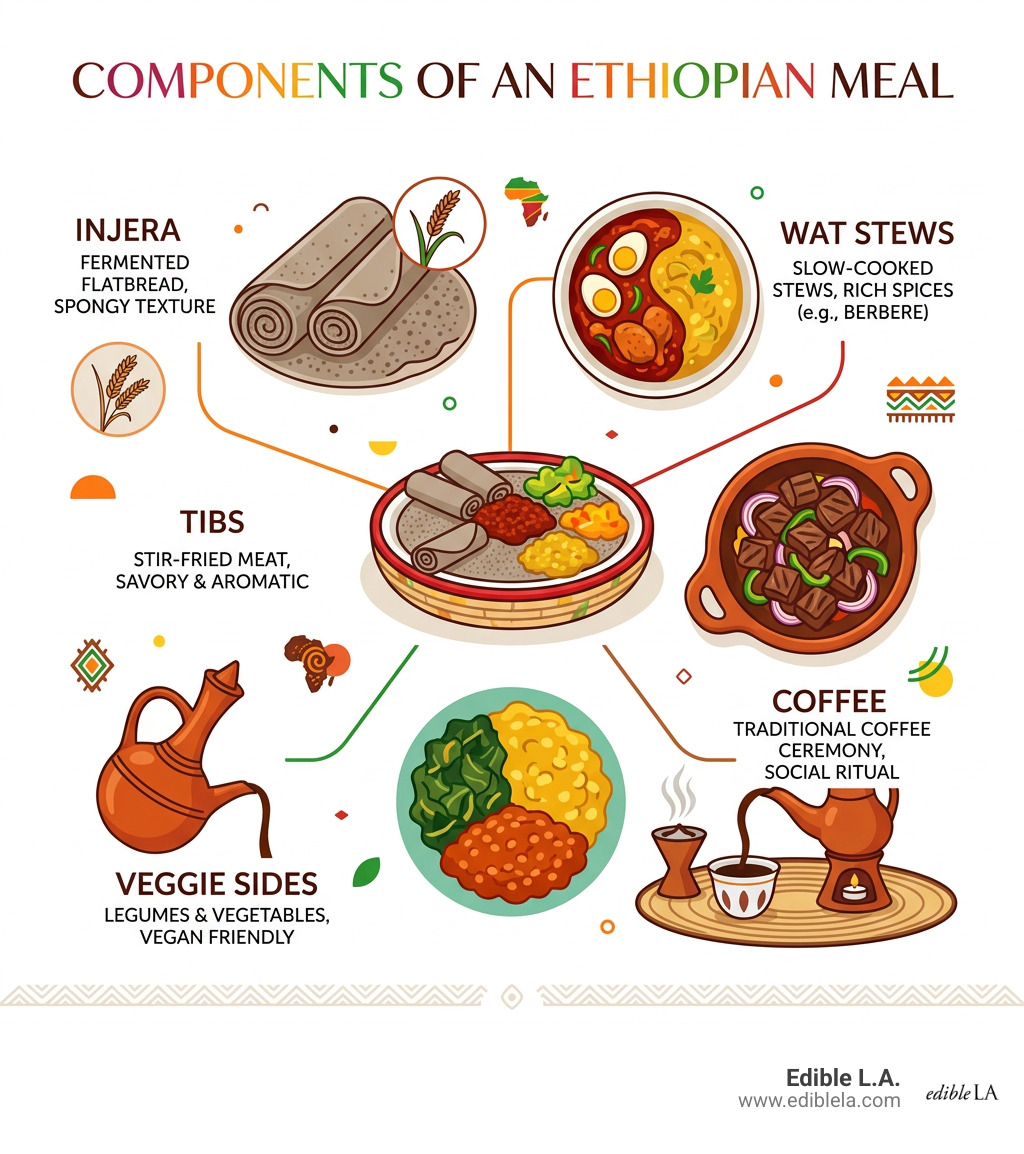
Ethiopian cuisine is one of the world's oldest food cultures. It centers on injera — a spongy, fermented flatbread made from teff grain — served as both plate and utensil. Dishes are piled on top, and everyone eats together from the same spread. This shared style of eating even has a name in Amharic: Enebla, meaning "let's eat together."
The flavors are bold, layered, and deeply aromatic — built on spices like berbere and rich spiced butter called niter kibbeh. And crucially for many diners, Ethiopian food is naturally rich in vegan and vegetarian options.
If you're based in Pasadena and curious about this cuisine, you're in exactly the right place to start.
Basic Ethiopian food Pasadena vocab:
The Cultural Heart of Ethiopian Food: Pasadena and Beyond
While you won't find a storefront on Colorado Boulevard just yet, the spirit of Ethiopian hospitality is deeply felt by the many residents who make the short trek to the "Heart of Little Ethiopia." This neighborhood, primarily located on Fairfax Avenue between Olympic and Whitworth, is a cultural preserved gem.
The history of these restaurants is a story of pioneering spirit. For instance, Messob Ethiopian Restaurant - Authentic Ethiopian Cuisine in Los Angeles has been a staple since 1985. They were serving authentic recipes long before the neighborhood was officially designated as Little Ethiopia. This longevity speaks to the artisanal methods and consistent quality that keep locals coming back decade after decade.
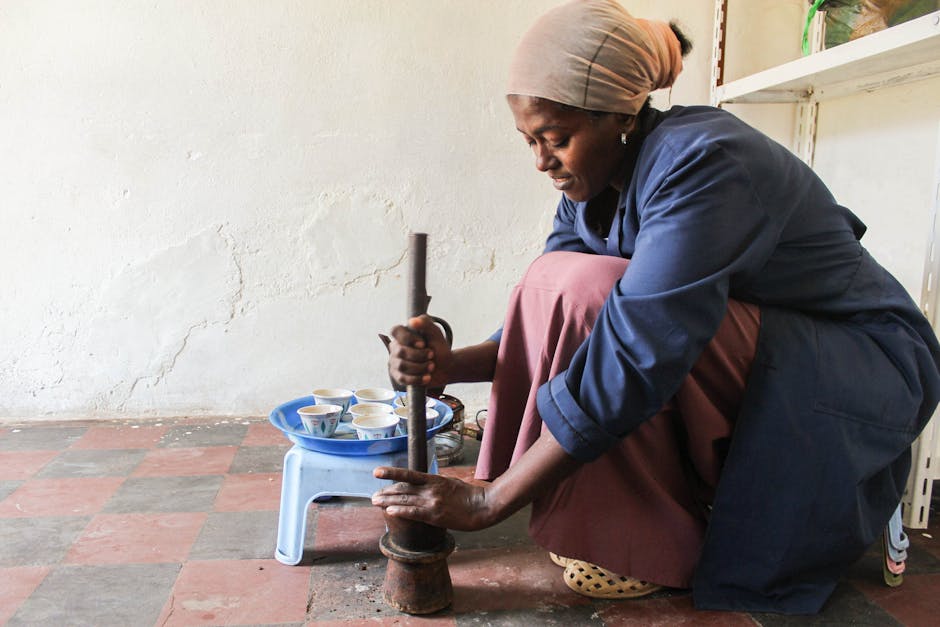
Ethiopian dining is more than just a meal; it is a ceremony. From the roasting of green coffee beans to the slow-simmering of stews, every step is handled with care. The hospitality is legendary—expect a warm welcome that makes you feel like a guest in a private home rather than a customer in a commercial space.
Why Ethiopian Food Pasadena Residents Travel for Authenticity
Why do people from the 626 area code drive past dozens of other restaurants to reach Little Ethiopia? It’s simple: authenticity. When you are craving Ethiopian food Pasadena options, you want the real deal—the kind of food that hasn't been watered down.
Neighborhood institutions like Lalibela Ethiopian Restaurant have built a reputation on community feedback and vibrant flavors. Pasadena residents are known for their discerning palates, and the culinary destination of Fairfax Avenue delivers the complex spice profiles and high-quality ingredients they expect. Whether it’s a weekend family outing or a unique date night, the short drive is a small price to pay for a world-class culinary experience.
Understanding the Communal Spirit of Ethiopian Food Pasadena
At the core of the experience is the concept of Enebla. In the Amharic language, this translates to "let's eat together." It is the ultimate invitation to bond. In Ethiopian culture, eating is rarely a solitary act. It is a social contract, a way to share stories and strengthen friendships.
When you visit a spot like Buna Ethiopian Restaurant & Market, you’ll notice that the food is served on a large, shared platter. There are no individual plates or silver forks. You use your right hand to tear off a piece of injera, scoop up a portion of stew (wat), and enjoy. This tactile way of eating breaks down social barriers and creates an immediate sense of connection among everyone at the table.
Essential Elements: Injera, Teff, and the Messob
To truly appreciate Ethiopian food Pasadena enthusiasts must understand the foundation: the injera. This isn't just bread; it's the plate, the spoon, and the soul of the meal.
Injera is made from teff, an ancient "supergrain" native to the Ethiopian highlands. Teff is naturally gluten-free and incredibly nutrient-dense, packed with iron, calcium, and protein. The flour is mixed with water and allowed to ferment for several days, giving the final product its signature sourdough-like tang and "eyes" (the bubbles on the surface).
The meal is often served in or on a Messob. A Messob is a beautiful, hand-woven wicker basket with a conical lid. Historically, it served two purposes: as a storage container to keep injera fresh and as a communal dining table itself.
Staple Ingredients in Ethiopian Food Pasadena Menus
The flavor profiles in Ethiopian cooking are unlike anything else in the culinary world. If you look at the menu for HOME | Gurshaetkitchen |ጉርሻ, you will see several recurring stars:
- Berbere: This is the king of Ethiopian spices. It’s a complex blend that can include chili peppers, garlic, ginger, basil, korarima, rue, ajwain or radhuni, nigella, and fenugreek. It provides both heat and a deep, earthy sweetness.
- Niter Kibbeh: A clarified butter infused with ginger, garlic, and several spices. It adds a silky richness to almost every meat dish.
- Misin/Ater: These are lentils and split peas, which form the backbone of the "Veggie Combo" platters.
- Aromatic Bases: Red onions, garlic, and ginger are sautéed for hours to create the base of most stews.
Best Places to Find Ethiopian Food Pasadena Area
If you are ready to make the trip, there are several award-winning and family-owned spots that represent the best of the LA scene. Each has its own unique "vibe" and specialty.
For those looking for a modern twist, Berbere offers plant-based innovations that have caught the attention of food critics across the city. If you prefer a more traditional, home-cooked feel, the Lalibela Ethiopian Menu: Authentic Flavors of Ethiopia Await provides a deep dive into classic recipes passed down through generations.
Top Rated Dishes for Ethiopian Food Pasadena Beginners
Walking into an Ethiopian restaurant for the first time can be slightly overwhelming. Here is a "starter pack" of dishes we recommend for beginners:
- Veggie Utopia/Combo: Usually a colorful circle of various lentil stews, cabbage, carrots, beets, and potatoes. It’s the best way to try a little bit of everything.
- Chicken Tibs: Cubed chicken breast sautéed with onions, garlic, and bell peppers. You can usually order this "mild" if you aren't ready for the heat of berbere.
- Doro Wat: Often called the national dish of Ethiopia, this is a slow-cooked chicken stew featuring a hard-boiled egg and a very rich, spicy sauce.
- Lamb Awaze Tibs: Tender lamb cooked with awaze (a spicy chili paste). It’s savory, juicy, and incredibly satisfying.
A Flavor Guide: From Spicy Tibs to Vegan Feasts
For the carnivores in the group, the meat dishes are a masterclass in slow-cooking and spice integration.
| Dish Name | Meat Type | Flavor Profile |
|---|---|---|
| Kitfo | Beef | Finely minced beef, marinated in mitmita (hot spice) and niter kibbeh. Often served rare or lebleb (slightly seared). |
| Zilzil Tibs | Beef | Strips of beef sautéed until crispy and sizzling, often served with a side of spicy dipping sauce. |
| Segga Wat | Beef | A hearty, spicy beef stew that has been simmered until the meat falls apart. |
| Yebeg Tibs | Lamb | Sautéed lamb cubes with rosemary and onions—a more herbaceous option. |
How LA Restaurants Accommodate Vegan and Vegetarian Diets
One of the reasons Ethiopian food Pasadena searches are so popular is because the cuisine is a paradise for vegans. Due to the fasting traditions of the Ethiopian Orthodox Church, many days of the year are designated "vegan days." As a result, the plant-based options are not afterthoughts—they are primary dishes developed over centuries.
Most restaurants offer a "Veggie Combo" that is naturally vegan. You'll find:
- Misir Wot: Spicy red lentils.
- Kik Alicha: Mild yellow split peas.
- Gomen: Collard greens sautéed with garlic and ginger.
- Fosolia: Green beans and carrots cooked until tender and sweet.
Some modern spots like Gursha even offer fusion items like Tofu Berbere, ensuring that even those who avoid meat have plenty of protein-rich, flavorful options to choose from.
Planning Your Visit: Hours, Services, and Dining Styles
Before you hop on the 110 or the 134, it’s a good idea to check the specifics. Most restaurants in Little Ethiopia offer a full range of services, including dine-in, takeout, and delivery within a certain radius (usually about 3 miles, though apps like Postmates can often stretch that further).
Typical Operating Hours:
- Lunch: 11:00 AM – 3:00 PM
- Dinner: 5:00 PM – 9:00 PM or 10:00 PM
- Note: Many spots are open all day on weekends.
If you are planning a large gathering, many of these businesses offer event catering, providing large pans of stews and rolls of injera that are perfect for parties. For a traditional sit-down experience, we recommend making a reservation, especially on Friday and Saturday nights when the atmosphere is lively and the "Enebla" spirit is in full swing.
Frequently Asked Questions about Ethiopian Dining
What is a Messob?
A Messob is a traditional Ethiopian breadbasket made of woven straw. It features a lid and is used both to store injera and as a communal table upon which the shared platter of food is placed.
Is Ethiopian food spicy?
It can be! Dishes labeled with "Wat" or "Berbere" typically have a kick. However, there are many "Alicha" (mild) dishes that use turmeric and garlic instead of chili peppers, making them very accessible for those who prefer less heat.
How do you eat Ethiopian food with your hands?
Always use your right hand. Tear off a small piece of injera, place it over a portion of food, tuck the edges under to "grab" the morsel, and pop the whole thing into your mouth. Avoid letting your fingers touch your mouth directly!
Conclusion
At Edible L.A., we believe that food is the ultimate storyteller. Exploring Ethiopian food Pasadena residents have come to love is a journey through history, culture, and community. While the physical restaurants might require a short trip to Little Ethiopia, the experience of sharing a messob with friends is a perfect reflection of the local food culture we strive to support.
Whether you are a seasoned fan of doro wat or a newcomer looking to try your first piece of injera, the vibrant flavors of Ethiopia are waiting for you. For more guides on where to eat and how to support our local culinary scene, Explore more local dining in the Pasadena and Glendale area.