For eight matches in June and July 2026, Los Angeles ate on football time. Lunch was pushed toward kickoff, dinner waited on extra time, and restaurant televisions turned ordinary tables into temporary grandstands. The tournament has left town, but the city should keep one lesson from those crowded afternoons: match-day food works best when it is built for sharing rather than assembled from snacks.
Zambia offers a useful model. Its table is centered on nshima, a firm maize-meal staple served with relishes that may bring greens, groundnuts, beans, fish, or meat. Nothing needs a novelty label. The food has structure, contrast, and the practical stamina to sit beside a match that refuses to end on schedule.
Eight Matches Rewrote the Dinner Clock
FIFA assigned Los Angeles eight World Cup fixtures, among them the United States’ opening match and a quarter-final. That volume changed more than traffic around the stadium. Across the city, hosts had to feed people before, during, and after games spread across different hours, while bars and restaurants learned that a football crowd does not order according to a normal dinner rhythm.
The weak watch-party menu reveals itself by halftime. Fried food softens, delicate garnishes collapse, and anything that needs a knife becomes work once the match tightens. A better table holds heat, tolerates delay, and lets guests serve themselves without blocking the screen. Nshima and relishes meet that brief without feeling engineered for it.
Nshima Gives a Crowd One Clear Center
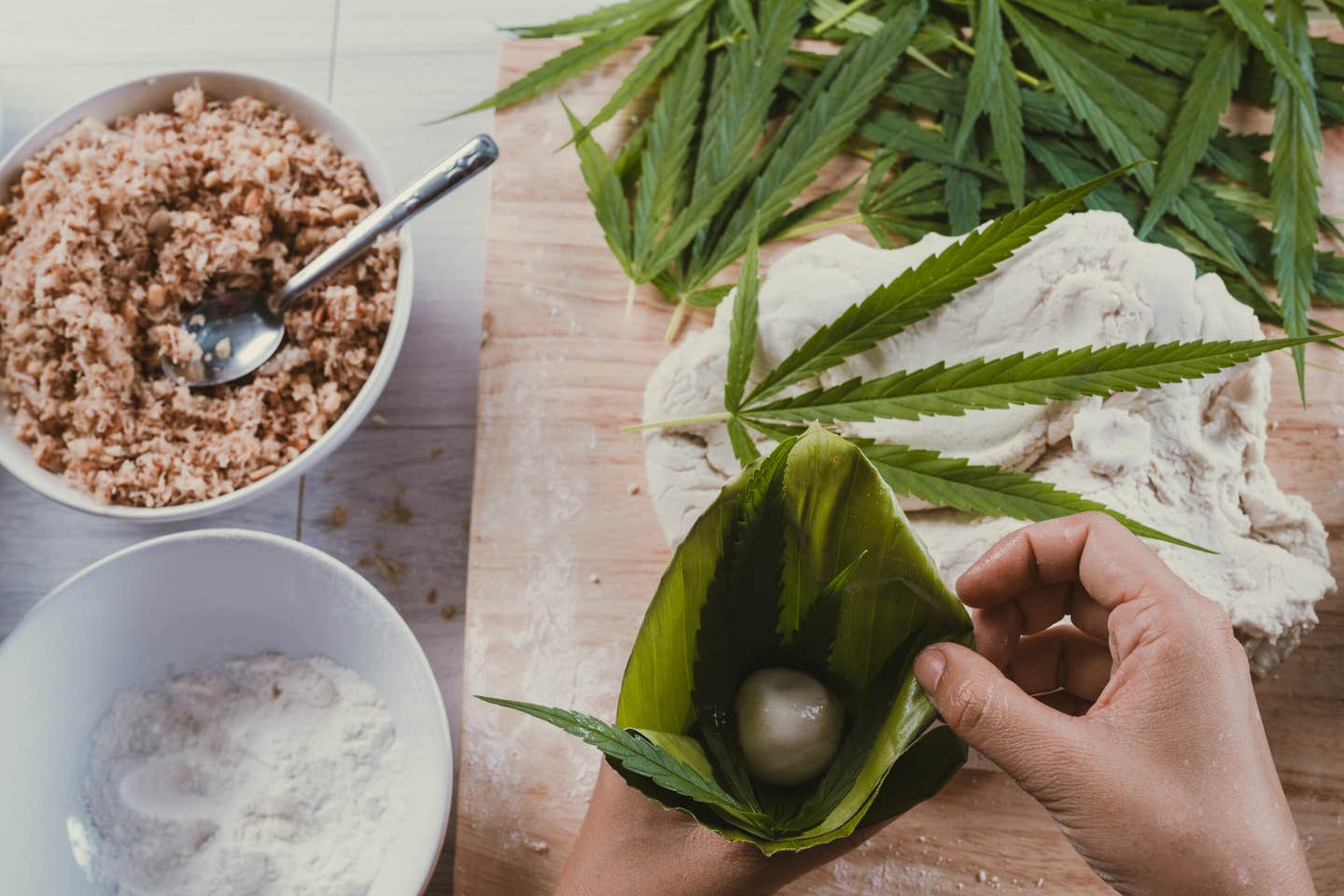
Nshima is cooked by working maize meal into hot water until it becomes smooth, thick, and firm enough to portion. Its flavor is restrained, which is exactly why the accompanying relishes matter. Tomato and onion bring acidity; leafy greens add bitterness; groundnuts contribute richness; fish, beans, or grilled meat give the plate weight.
For a Los Angeles kitchen, the most useful move is not to reproduce a ceremonial spread from photographs. It is to respect the meal’s architecture:
- one substantial starch that remains pleasant when warm;
- one vegetable relish with a sharp or bitter edge;
- one protein-rich dish;
- one fresh element to reset the palate.
That structure gives each guest control over the plate. It also keeps the host out of the kitchen during the final twenty minutes.
The Second Screen Belongs at the Table, Not in Charge of It
Football viewing now runs on two clocks. The television shows the match, while a phone carries lineups, shot maps, group messages, and live markets. When a supporter checks Melbet, the useful information is not merely the headline price but the movement behind it: a confirmed striker absence, an early yellow card, or a switch from a back four to a back three. Live odds compress those changes into numbers, although they do not remove uncertainty. A fixed stake and a pre-set bankroll limit keep the analysis proportional to the evening. The food should be just as disciplined—easy to hold, difficult to spill, and ready whenever attention returns to the plate.
The table can help set that boundary. Serve the main food before the match reaches its sharpest phase, then leave fruit, groundnuts, or small reheatable portions for later. People can follow the game without balancing a loaded plate over a phone.
The temptation during a tense match is to treat every attack as a signal. It rarely is. A dangerous ten-minute spell may shorten next-goal odds without changing the deeper balance of a game, especially when the pressure produces low-quality shots. The mobile line at Melbet Zambia is more useful when viewed beside possession location, substitutions, set-piece volume, and the score state. Waiting for a clearer read is a decision, not inactivity. A watch party becomes more enjoyable when the phone supports the match rather than turning each possession into a transaction.
A Relish Is Where the Meal Finds Its Voice
The word “relish” can sound minor in American menu language. At a Zambian table, it carries much more of the meal’s personality. Greens may be cooked with tomato and groundnut flour; beans may arrive softly stewed; fish can bring smoke, salt, or a firmer texture against the nshima.
This is where Los Angeles cooks can respond to the season. Collards, mustard greens, chard, amaranth, or pumpkin leaves can work according to availability. The aim is not substitution for its own sake. The greens need enough cooking to become tender, enough acidity to stay alert, and enough fat to bind the flavors.
A compact match-day menu for six to eight people could run as follows:
- Spiced roasted groundnuts before kickoff.
- Nshima covered and held warm.
- Tomato-braised greens with groundnut paste.
- Grilled chicken, beans, or fish served just before halftime.
- Fresh fruit after the final whistle.
The sequence is generous without becoming a catering exercise.
Good Football Food Survives Extra Time
A successful watch-party dish has a second life. The greens deepen as they sit. Grilled meat can be sliced into smaller portions. Leftover nshima can be cooled and reheated or pan-fried the next day, when the noise has gone and the match is already being argued over from memory.
That durability matters in a city where gatherings rarely end when the broadcast does. One person wants to replay the penalty decision. Another is checking the next fixture. Someone else is standing at the stove, scraping the browned edge from the pot because it may be the best bite of the night.
The World Cup gave Los Angeles eight reasons to eat around football. The next table does not need another mountain of disposable trays. It needs one steady pot, several relishes, and enough room for the match to become conversation.