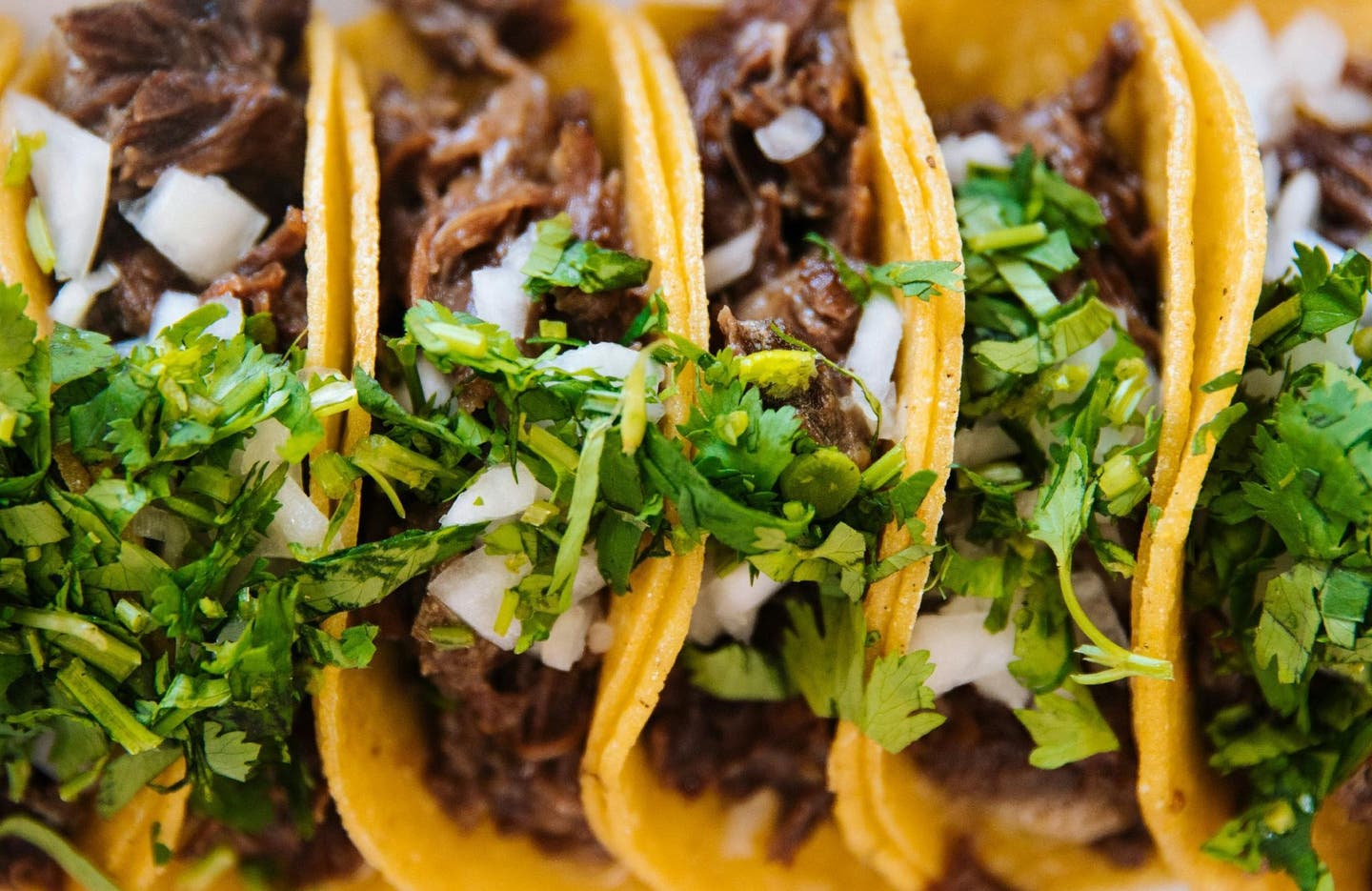
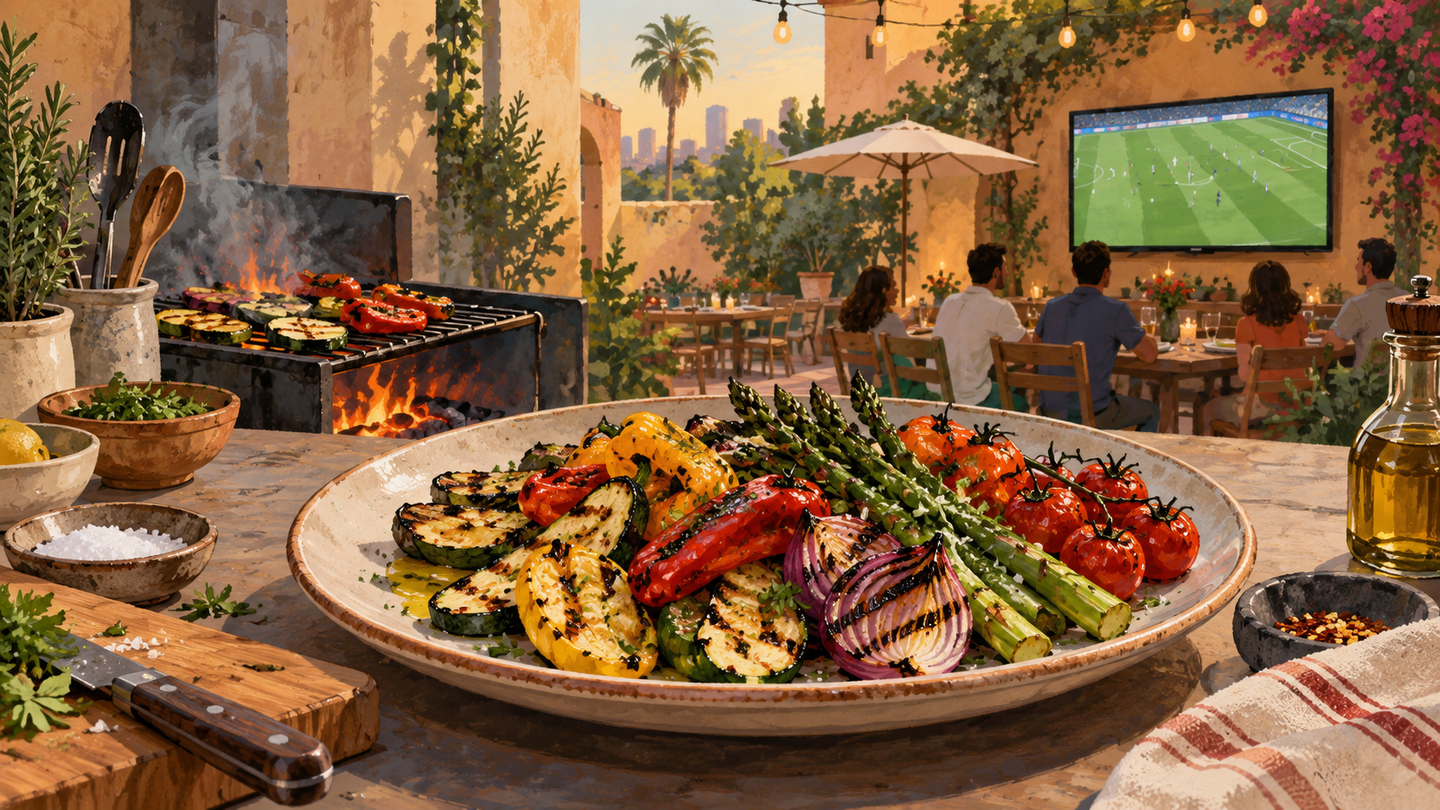
Ask around about cooking with CBD, and you will get one of two answers. An enthusiastic yes with no method attached, or a story about thirty dollars of tincture that beaded up on the surface of a drink and stuck to the side of the glass. The second story is the more useful one, because it points to the thing that governs everything else: cannabinoids behave like fat. Where there is fat, they disperse and stay put. Where there is not, they separate and go up the wall of the glass. It also helps to start with a bottle that tells you exactly what is in it. The USDA certified organic tinctures from Joy Organics state the milligrams per serving on the label and carry a batch code that pulls up the lab report for that lot, which is what makes it possible to portion a recipe properly rather than eyeball it.
Fat Is the Whole Trick
Cannabinoids are lipophilic, which is a technical way of saying they dissolve in fat and not in water. Every practical rule about using them in a kitchen follows from that one property.
Give them something fatty to bind to, and they distribute evenly and stay in suspension. Olive oil, butter, coconut oil, cream, egg yolk, tahini, nut butter, and melted chocolate. All of these work, and they work without any technique beyond stirring.
Put the same tincture into a glass of sparkling water, iced tea, or lemonade, and it will do exactly what oil does in water, which is float, bead, and cling to whatever it touches. Most of what you paid for ends up on the glass rather than in the drinker.
The good news for cooks is that most tinctures are already suspended in a carrier oil, usually MCT from coconut or an olive oil base. You are not adding a powder that needs solubilizing. You are adding a small amount of flavored oil, and it belongs anywhere oil belongs.
Why It Fails in a Spritz
A cold, clear, non-fatty drink is the hardest possible environment for a tincture, which is unfortunate since it is where people most often try to use one.
There are three honest ways around it. The first is to build the drink with a fatty component, which is why cold brew with cream, a horchata, a nut milk, or anything coconut-based works, while a highball does not. The second is to use an emulsifier so the oil stays dispersed. Gum arabic, which bar programs already keep on hand for gum syrup, does this well, as does soy or sunflower lecithin in very small quantities.
The third is to buy a product formulated as a water-soluble or nanoemulsified preparation, which has been processed into droplets small enough to stay suspended. These are made specifically for beverages and they behave completely differently from a standard oil tincture. If clear drinks are your main use, that is the format to look for rather than fighting the physics.
A note for anyone thinking about the bar. California prohibits hemp in alcoholic beverages, so this belongs in the zero-proof and food side of a menu rather than in a cocktail. Given how good the non-alcoholic programs in this city have become, that is less of a limitation than it sounds.
Heat Is the Other Constraint
Cannabinoids degrade with sustained heat. The commonly cited threshold sits somewhere in the range of 320 to 350 degrees Fahrenheit, and while a brief moment above that will not destroy everything, prolonged exposure genuinely does reduce what survives.
The practical translation is simple. Searing, deep frying, broiling, and hard roasting are the wrong applications. Gentle work is fine. A low-temperature bake, a sauce held below a simmer, a custard, an infused butter melted rather than browned.
Better still, treat it as a finishing ingredient. Stir it into a sauce off the heat. Fold it into a compound butter that goes onto the steak after it comes off the grill rather than into the pan. Whisk it into a vinaigrette that never sees a burner at all. You lose nothing, you control the dose precisely, and you avoid the question entirely.
Dose Per Serving, Not Per Batch
This is where most home cooking goes wrong, and the failure is arithmetic rather than technique.
Work backward from the bottle. A tincture that states milligrams per full dropper, which is standard on the Joy Organics labels, lets you do the division in your head. If you want roughly 10 milligrams per person across four servings, you need 40 milligrams total in the batch. That is the entire calculation.
The complication is the even distribution. A vinaigrette that separates in the jar does not deliver equal amounts to four plates, and neither does a sauce that has been sitting. Shake or whisk immediately before serving, and be honest about dishes where portioning is genuinely uneven. Nobody eats exactly a quarter of a bowl of dip.
For anything where portion control is unreliable, dose at the plate instead. A few drops into an individual bowl of soup, over a single serving of pasta, or into one person's cup of hot chocolate. Less elegant, considerably more accurate, and it lets guests opt out without a conversation.
Where It Genuinely Belongs
Vinaigrettes are the best entry point in a home kitchen. The oil is already the point of the recipe, the dose is easy to calculate, no heat is involved, and the herbal note reads as an ingredient rather than an intrusion.
Compound butters work for the same reason and keep well in the freezer. Chocolate is excellent, since cocoa butter is fat, and the bitterness sits well alongside the flavor of hemp extract. Ganache, truffles, and a good hot chocolate all take it easily.
Also worth trying: tahini-based dressings, salsa macha and other chile oils, whipped cream, aioli, and nut butters. On the drinks side, anything built on coconut milk, oat milk, horchata, or cream will carry it without complaint.
What It Tastes Like
This is the part that marketing tends to skip. Hemp extract has a real flavor, usually described as grassy, earthy, and slightly bitter, and it becomes more noticeable as the dose goes up.
The carrier matters too. An MCT base is close to neutral, while an olive oil base brings its own character, which can be an asset in a savory application and a problem in a dessert.
Pair it with flavors that have somewhere to put the bitterness. Citrus, dark chocolate, chile, maple, coffee, and assertive herbs all absorb it comfortably. Delicate things do not. A grassy note is a feature in a green goddess dressing and an unwelcome guest in a panna cotta.
A Vinaigrette Worth Starting With
Whisk together two tablespoons of sherry vinegar, a heaped teaspoon of Dijon, a small minced shallot, and a pinch of salt. Let that sit for ten minutes so the shallot softens. Then whisk in six tablespoons of good olive oil slowly, and add your calculated dose of tincture at the end, whisking until it emulsifies.
Taste it. If the herbal note is louder than you want, more mustard and a little honey will pull it back into line. Shake before dressing anything, dress at the table, and you have four accurately portioned servings without any special equipment.
A Few Practical Notes
Store tinctures away from heat and light, since both degrade cannabinoids over time, and keep the cap on tight. A cupboard is fine, and the fridge is unnecessary for most oil-based products.
Tell your guests. This is not optional. Anyone with a job that involves drug testing, anyone pregnant or nursing, and anyone on prescription medication needs to be able to make their own decision, and finding out afterward is not the same as being asked. California also restricts these products to adults 21 and over.
Start lower than you think. Flavor and dose both scale, and the difference between an interesting ingredient and an overwhelming one is a matter of a few milligrams.