Game night food has one job: keep the session moving without becoming an afterthought. The best options are not always the biggest or most photogenic. They work with having a controller in your hands, a screen across the room, and nearby friends who also want to snack while they play.
Food sits inside the gaming setup more than people admit. Research on the dietary behavior of video game and esports players treats eating habits as part of the wider lifestyle around play, not a random side issue, which makes the home setup important. For a PS5 night, strong food choices share the same qualities: satisfying, easy to pause around, bold enough to feel special, and simple enough to eat without losing the immersion of the game.
When Entertainment Inspires the Food Break
This is where game night food becomes more interesting than the usual pile of chips and soda. Digital entertainment culture now spills into what people cook, share, and serve at home, and the platforms responsible for providing games have recognized this and begun to tap into it. Cafecasino.lv is a well-established game provider, but as its name suggests, it also has a surprisingly deep focus on food. That might sound like an odd mix, but spend any time on this platform or its social media pages, and you’ll instantly see what we mean. The site’s homepage depicts a drive-thru, conveying convenience, speed, and choice, all of which are followed up in the games, and nod to the connection between eating and playing.
But Cafe Casino doesn’t stop there; it also provides its users with tons of tasty recipes they can turn to for gaming snacks; its social media pages are packed with options. Take, for instance, this Korean fried chicken sandwich. The best game night food is often built around a single strong idea, rather than a crowded table. A sandwich like this has crunch, heat, sauce, and structure. Cut it in half and keep napkins close by, and it can become a proper food moment without interrupting your game.
**PLEASE EMBED THIS LINK**
Why Handheld Food Wins
When it comes to good gaming food, the controller changes the rules. A food that works at a dining table can become annoying in front of a screen. Pasta needs utensils and attention. Soup is out. A giant burger might taste great, but if it falls apart after two bites, it becomes a distraction.
Handheld food works because it gives the player control over pace. You can eat between rounds, during loading screens, after a boss attempt, or while someone else takes a turn. The food does not demand silence or ceremony. It supports the mood already in the room.
The best options usually have three traits:
- A stable base, like bread, tortillas, skewers, or small buns
- A strong center, like crispy chicken, pulled beef, grilled cheese, or falafel
- Controlled mess, with sauce inside the food or served on the side
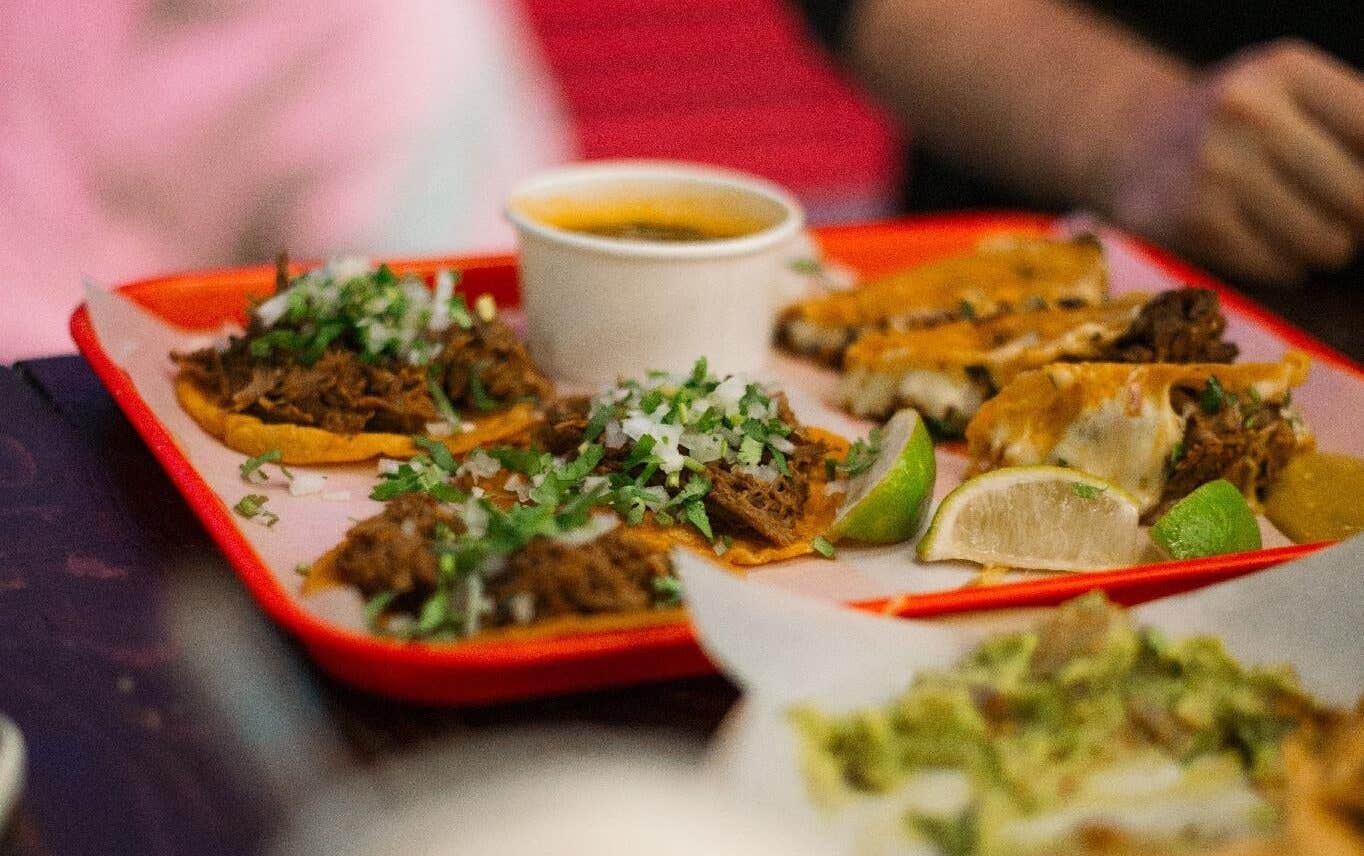
That is why sandwiches, sliders, wraps, skewers, quesadillas, and bao buns feel so natural for a game night. They are casual, but they still feel intentional.
Match the Bite to the Game
A story-heavy game gives food more breathing room. Cutscenes, exploration, dialogue, and slower pacing make it easier to handle warm options. Toasted sandwiches, rice bowls, loaded fries in small bowls, or chicken pieces with forks nearby can all work when the game is not demanding constant input.
Competitive games need cleaner food. Fast games reward quick hands. Smaller portions are better. Sliders are easier than oversized burgers. Wraps are safer than saucy plates. Skewers work because they separate the food from the fingers. Even pizza becomes better when it is cut smaller and served with plates, instead of left in one box.
Keep the Spread Small but Memorable
A good PS5 night does not need a large number of different snacks. Too much variety creates clutter, and clutter pulls attention away from the games. A tighter spread usually feels better: one main handheld food, one lighter side, and one small, sweet option.
That could mean Korean fried chicken sandwiches with cucumber sticks and cookies. It could mean sliders with seasoned fries and mochi. It could be wraps, fruit, and brownies. The exact food matters less than the balance. You want flavor, comfort, and ease in the same frame.
The upgrade is choosing food first. Once everyone is already playing, decisions get lazy. People grab whatever is closest, order too much, or forget food until they are tired. A simple plan protects the mood of the night.
Game night food works when it respects the reason people gathered. It should add texture, comfort, and a little ritual without becoming the main event. The best food stays close to the controller, fits the pace of the game, and makes the room feel more shared, which lines up with research on the functions of social eating.