For food-minded travelers, the most memorable international trips often begin with something more specific than a landmark. It might be a reservation at a restaurant you have followed for years, the chance to taste wine where the grapes are grown, a market that comes alive before breakfast, or a dish that simply makes more sense when eaten in the place that created it.
That approach changes the way an itinerary comes together. Instead of filling every day with attractions and then searching for somewhere convenient to eat, start with a handful of culinary anchors. Choose one important meal, a market or food neighborhood, and perhaps a producer, bakery, winery, or festival. The rest of the trip can grow naturally around them.
The less glamorous travel details still matter, particularly when crossing borders. Before committing to expensive reservations or nonrefundable accommodations, confirm passport validity, entry-document needs, and how long any required paperwork may take. Travelers considering third-party application assistance can review how VisaSyst works to understand the type of guided support such a service provides. Handling those details early keeps paperwork where it belongs: in the background of the trip.
Choose a Place With More Than One Great Table
A headline-making restaurant can inspire a journey, but a true food destination should still be interesting after that reservation ends. Look for cities with strong everyday eating cultures, neighborhood specialties, markets, bakeries, wine bars, and casual restaurants alongside destination dining.
The Food & Wine 2026 list of global cities for food and drink is useful inspiration because its selections stretch from Hong Kong and Tokyo to Mexico City, Bangkok, Lima, Barcelona, and Istanbul. What makes these places compelling is not simply the number of acclaimed restaurants. It is the ability to move between very different experiences in a single day.
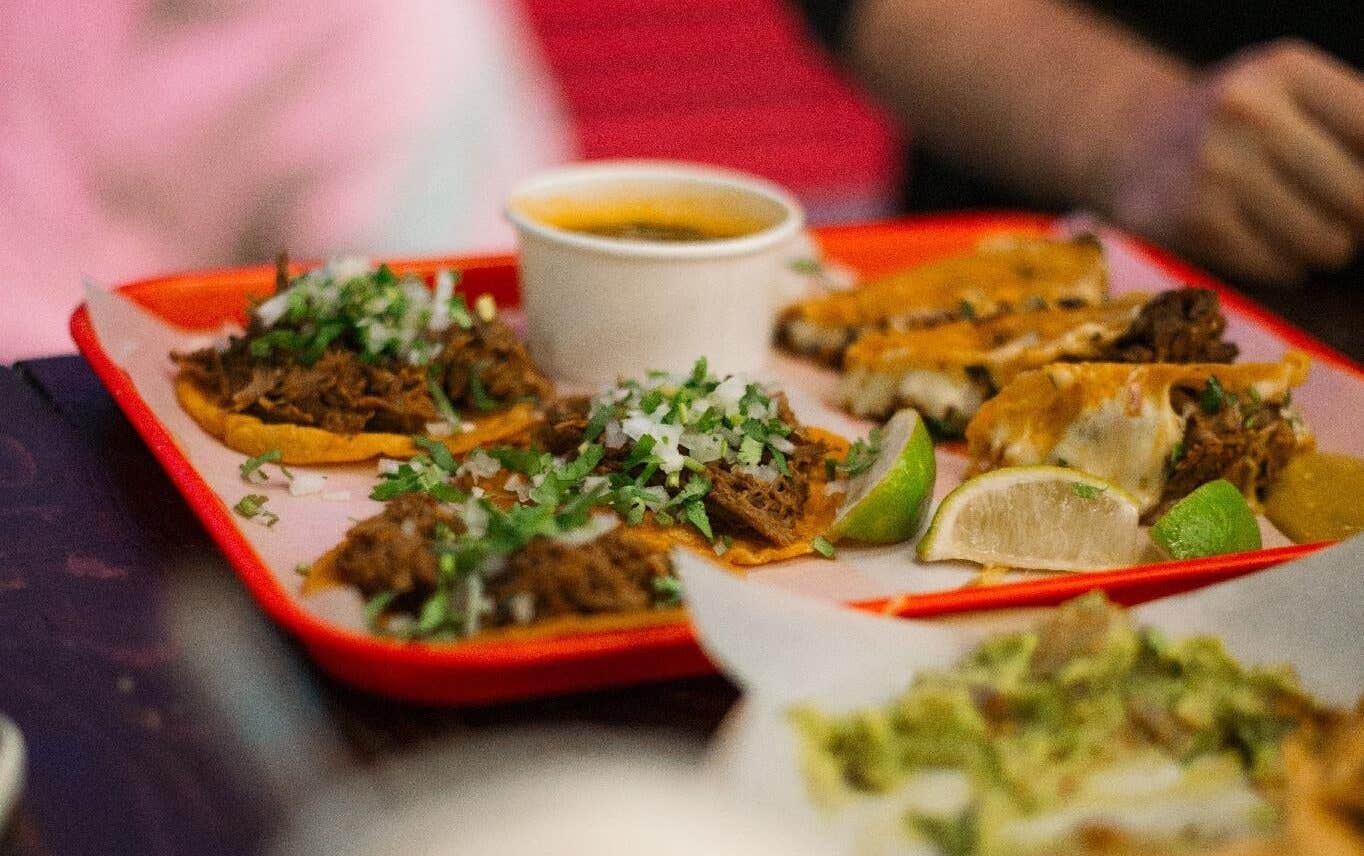
Mexico City is a particularly good example for travelers leaving Los Angeles. A polished tasting menu can share an itinerary with tacos, neighborhood bakeries, wine bars, and market stops without one experience making the others feel secondary. Edible LA's own 36 Delicious Hours in Mexico City captures that pleasure of moving through the city by appetite rather than by a rigid sightseeing checklist.
Plan by Neighborhood, Not Just by Restaurant
One of the easiest ways to ruin a food-focused trip is to spend too much of it in transit. Once you have identified restaurants and markets that interest you, place them on a map and group days geographically.
In Mexico City, for instance, neighborhoods including Roma Norte, Condesa, Polanco, and the historic center each offer enough eating, drinking, shopping, and wandering to occupy hours. Condé Nast Traveler's Mexico City guide provides a useful overview of the city's neighborhoods and culinary range.
This strategy also leaves room for discoveries. The bakery with a line outside, the tiny wine shop recommended at lunch, or the street vendor you pass twice may become more memorable than something booked months ahead.
Let the Season Influence the Destination
Food has a calendar. Tomatoes, truffles, wine harvests, seafood, citrus, mushrooms, and countless regional ingredients have moments when they are at their most expressive.
Before choosing dates, investigate what will actually be happening locally. A celebrated restaurant may close for part of summer. A market might operate only on particular mornings. Wine regions change character dramatically during harvest, while coastal destinations can feel completely different depending on fishing seasons and weather. If your trip includes countries in the Schengen Area, remember to factor Schengen visa processing time into your travel planning as well.
For broader inspiration, the MICHELIN Guide's 2026 food destinations highlights places where seasonality, regional ingredients, and evolving restaurant cultures are part of the reason to travel.
Reserve the Difficult Meal, Then Leave Space
High-demand restaurants sometimes require advance planning, but booking every lunch and dinner can make a food trip strangely exhausting. Reserve the places that genuinely require it and keep some meals intentionally undecided.
Local reporting can help narrow the field without locking down every hour. In a city as large as Mexico City, for example, Eater's locally reported restaurant map offers everything from quick meals to ambitious dining rooms and is updated as the scene changes.
The aim is not to eat at the maximum possible number of famous places. It is to understand a destination a little better through the way people grow, cook, sell, share, and enjoy food there.
A great culinary trip should therefore have both structure and appetite: enough preparation to reach the meals that brought you there, and enough freedom to follow the smell of something good down the next block.