A look at the top point-of-sale platforms based on transaction speed, hardware durability, and labor management features, picked with Los Angeles operators in mind.
At a Glance
Here's a quick breakdown of each platform's strongest suit:
- SpotOn: Best overall for high-volume bars, with fast tab management and automated tip-outs.
- Toast: Best for deep inventory tracking and recipe costing on durable Android hardware.
- Square: Best for transparent flat-rate pricing and seamless online ordering.
- Lightspeed: Best for multi-location groups that need AI-driven reporting and centralized back-office control.
- TouchBistro: Best for reliable offline architecture and an intuitive iPad-based interface.
| Name | Pros | Cons | Pricing |
|---|---|---|---|
| SpotOn | Fast tab pre-authAutomated tip distributionStrong offline reliability | Kitchen displays require setupBest suited for high-volume spaces | Bundled plans from $0 upfront; best value at $55/mo |
| Toast | Spill-resistant Android hardwareDeep pour cost analyticsStrong partner ecosystem | Proprietary hardware requiredCan feel bloated for small bars | Quote-based subscription |
| Square | Transparent, flat-rate pricingNo monthly fee for basic tierGreat omnichannel syncing | Add-ons increase monthly costsLess specialized for nightclubs | Starts at $0/mo + processing fees |
| Lightspeed | Integrated AI reportingCentralized multi-location controlStrong back-of-house tools | Steeper learning curve upfrontPremium features cost extra | Quote-based subscription tiers |
| TouchBistro | Offline-first hybrid architectureBuilt specifically for foodserviceIntuitive iPad interface | Strictly iOS compatiblePricing varies by region | Custom quote-based pricing |
Why LA Bars Are Feeling the Squeeze
LA's cocktail scene is booming. Spots like Thunderbolt are picking up international accolades at the Spirited Awards, and that kind of global recognition pulls in tourists and keeps local bars packed. Great news for the city. But it also raises the stakes for operators trying to keep margins healthy.
Behind the bar, the financial picture is less glamorous. Persistent inflation, new minimum-wage requirements, and rising rents have pushed many venues to downsize their footprint and rethink how they operate. Recent commercial real estate data show a record number of restaurant openings in LA last year, but a large share of them were limited-service concepts with smaller layouts and leaner teams.
For independent bar owners, the right technology isn't a luxury anymore. It's a survival tool.
A modern point-of-sale setup goes way beyond ringing up drinks. These platforms handle labor scheduling, real-time inventory tracking, and guest experience management from a single dashboard. Technology analysts confirm that modern POS software now manages billing, online orders, and staff performance in one place. The five systems below were evaluated on transaction speed, hardware durability, and labor compliance features; all things that matter when you're slammed on a Saturday night.
What to Look For in Bar Tech
Three things separate a decent bar POS from a great one: speed, durability, and smart labor tools.
Speed means your bartender can open a tab with a single swipe and move on. Durability means the hardware survives the splash zone behind a busy well. And smart labor tools mean automatic tip-outs, overtime tracking, and break enforcement, so you're not doing payroll math at 3 a.m.
As LA's nightlife culture evolves to include more entertainment-driven experiences, the tech running behind the scenes needs to keep up without getting in anyone's way. The right system routes drink modifications to the service bar and calculates tip splits before last call. What does that actually look like in practice? Here are the platforms doing it best.
The Top 5 Platforms
SpotOn
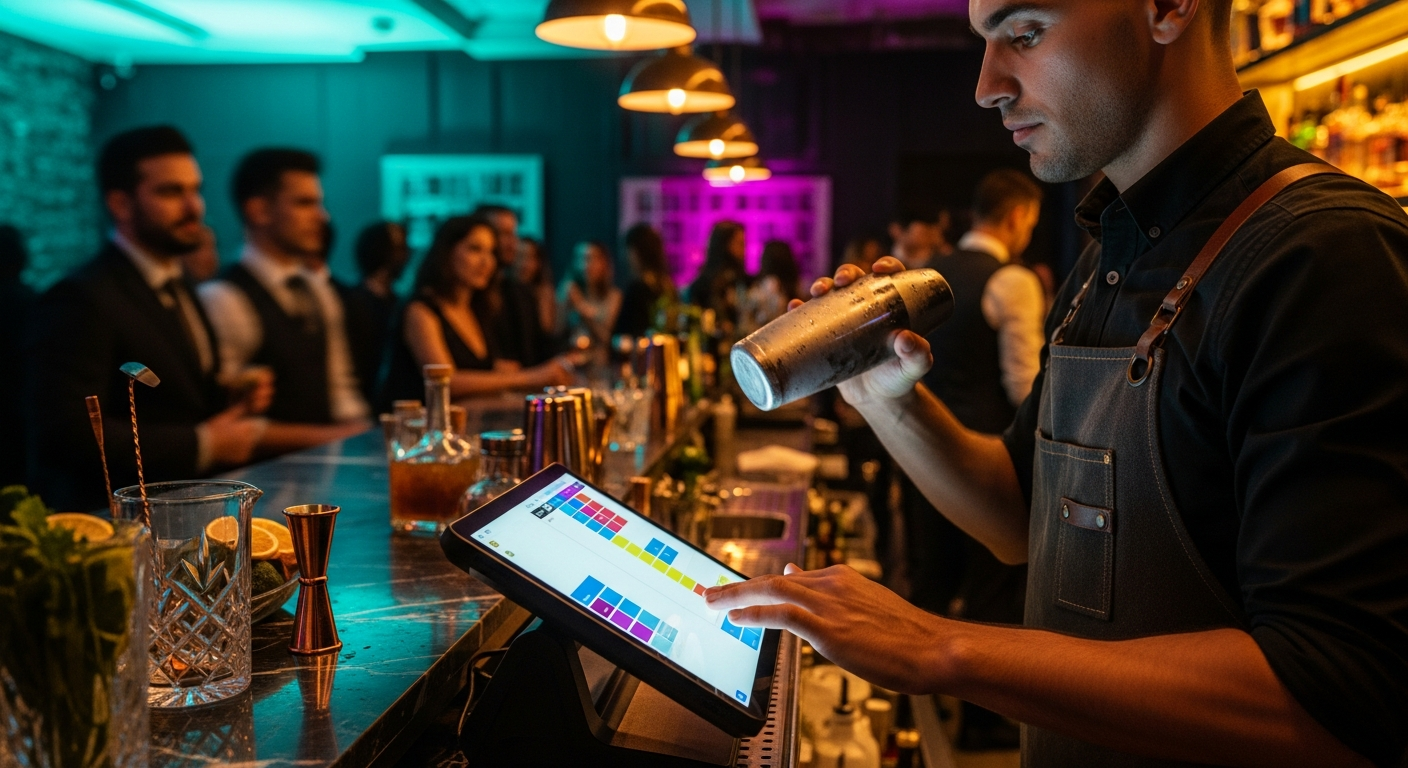
If you're running a packed LA nightclub or a fast-turnover neighborhood pub, SpotOn is worth a serious look. The platform is built for high-volume chaos. Bartenders can use the bar POS system to open tabs and pre-authorize credit cards with a single tap, reducing dreaded end-of-night chargebacks.
Their mobile handhelds let servers take orders and close tabs right from the patio, no trips back to a terminal required. That alone can shave minutes off each transaction during a rush.
Automating your back-end tasks and pre-authorizing cards ensures your team stays focused on delivering an incredible guest experience. The platform's automated tip distribution splits gratuities according to your house rules, so your staff gets paid faster, and you spend less time sorting it out manually. As LA welcomes a new wave of summer dining concepts, that kind of speed at the register makes a real difference in table turnover.
Toast

Toast is a heavyweight in hospitality tech, currently powering over 170,000 locations worldwide. Its Android-based hardware has a reputation for surviving the splash zone behind a busy cocktail station, which any bartender will tell you matters more than you'd think.
Where Toast really earns its keep for margin-conscious operators is xtraCHEF, its back-of-house integration module. Bar managers can track pour costs down to the ounce, monitor keg levels, process invoices, and flag sudden increases in ingredient prices. That kind of granular visibility helps ensure every cocktail poured actually turns a profit, while keeping the kitchen synced through integrated labor scheduling.
Square

For pop-up concepts, ghost kitchens, or bars that want to avoid bulky legacy contracts, Square offers real flexibility. Millions of sellers globally use the platform, and it's easy to see why.
The restaurant-specific tier comes with transparent flat-rate pricing and no hidden monthly fees. You can spin up a synced online ordering page for takeout growlers alongside your in-person hardware without juggling multiple systems. Square's built-in AI data tool also lets you compare your numbers against local industry benchmarks, which is handy for spotting trends you'd otherwise miss.
And if you're constantly training new barbacks? The interface is intuitive enough that most people pick it up fast.
Lightspeed

For multi-location hospitality groups expanding across Southern California, Lightspeed brings enterprise-grade architecture. The cloud-based platform serves over 148,000 locations globally, and its iPad-based framework makes it accessible without sacrificing depth.
The standout feature is its AI layer. You can ask plain-language questions about sales trends, labor costs, or menu performance and get actionable answers on the spot. No more building spreadsheets during a shift. For groups managing multiple venues, centralized control lets you update drink prices and seasonal menus across all locations from a single laptop.
TouchBistro
TouchBistro rounds out this list as a system built specifically for the foodservice industry. As AI-led POS systems gain traction globally, this platform holds its own with rock-solid reliability.
The big draw here is offline-first hybrid architecture. If your internet goes down on a Friday night, the local network keeps your terminals talking to kitchen printers and bar displays. Transaction data syncs back to the cloud once you're reconnected, so you never lose an open tab. According to its Apple App Store listing, TouchBistro has powered over 25,000 independent restaurants in more than 100 countries. The interface is optimized for quick item entry, easy check splitting, and visual floor plans; all things a crowded neighborhood lounge needs.
Common Questions About Bar Tech
What does "offline mode" actually mean?
An offline-first or hybrid POS runs on a secure local network inside your venue. Even if your internet provider goes down, your terminals still communicate with kitchen printers and bar displays. Smart POS terminals have evolved into full business management tools, and offline capability is a core part of that evolution. Transaction data syncs back to the cloud the moment your connection is restored, so you never drop an open tab during a packed weekend rush.
How do these systems handle labor compliance?
Today's platforms include built-in labor management tools that enforce required meal breaks and automatically track overtime. Automated tip-pooling splits gratuities across front-of-house and back-of-house staff based on your custom rules, reducing costly payroll errors and keeping you on the right side of California law.
Managers can also project labor costs against real-time sales right from the scheduling screen. Sound familiar? That kind of visibility keeps you from overstaffing a slow Tuesday or getting caught short-handed on a surprise holiday rush.
Upgrading your tech stack is one of the smartest moves a bar operator can make right now. The right POS system helps you sidestep inflation and rising labor costs by automating the tedious stuff. Plus, mobile ordering innovations keep pushing the industry forward, delivering greater efficiency and smoother guest experiences. That frees up your team to do what they do best: make great drinks and build a loyal following. When the technology handles the margins, the people behind the bar can focus on the craft.